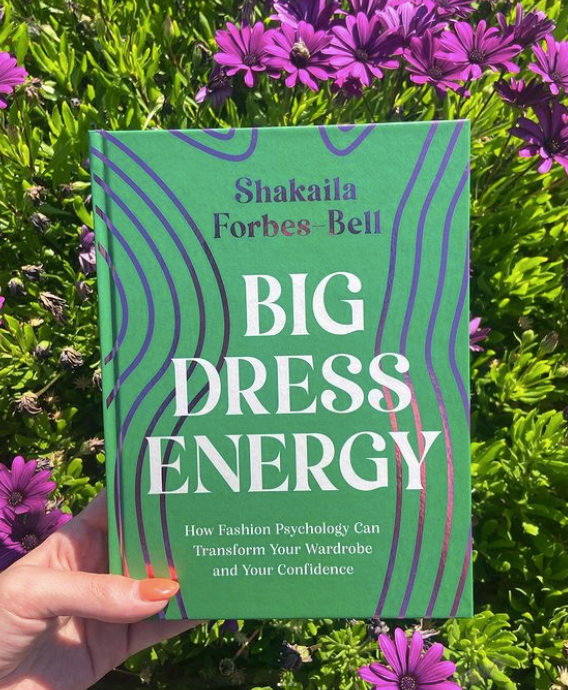


The day for love will soon be upon us, and whether you’re coupled up or consciously uncoupled, the greatest love you should be showing this February 14th (and beyond) is to yourself. As a fellow single pringle, I’ve found that the term ‘self-love’ has turned into a weapon of sorts. “You can’t find someone because you don’t love yourself enough”. “You only want someone so much because you clearly don’t love yourself.” In hearing these points made over and over again, by well-meaning loved ones and a not-so-well-meaning TikTok algorithm, the “self” part of “self-love” became lost, leaving wounds that contoured my singleness into a monster who haunted my sleep and nibbled at my confidence.
But alas, I soon realised that beating yourself over the head with a self-love-stick is moronic because I was always taught that love is not supposed to hurt. Growing up in catholic school, I have distinct memories of hearing the line “Love is patient, and love is kind”, but when I reached into the crevices of my mind for the rest of it… nothing but static. I admittedly haven’t touched a bible in years (for reasons I may share with you one day), so Google helped me fill in the blanks: “Love is patient, love is kind. It does not envy, it does not boast, it is not proud. It does not dishonour others, it is not self-seeking…” – 1 Corinthians 13:4-8.
“It is not self-seeking” … well, I guess that kinda changes things.
The bible isn’t the only place that conflates self-love with prideful sin. It’s a distinctly British trait to humble yourself almost to the point of self-loathing to even be considered worthy of anything remotely good in life, let alone something as affirming as loving yourself. But psychology teaches us that self-love is not narcissistic or embarrassing, and while it may not be a cheat code for finding the one, it’s key to maintaining healthy relationships. Like getting a good night’s sleep, laughing with friends, and being in the sun, self-love is essential to your mental well-being.
But, what exactly is self-love?
A 2023 paper in The Humanistic Psychologist defines self-love according to three key components:
(A) Self-contact, defined as giving attention to oneself;
(B) Self-acceptance, defined as being at peace with oneself, and
(C) Self-care, defined as being protective of and caring for oneself.
Carefully considering the way you dress is one of the easiest and often the most overlooked ways to engage in these three components, and here are 7 ways to style your way to an all-encompassing experience of self-love.
1. Arousal-inducing colours
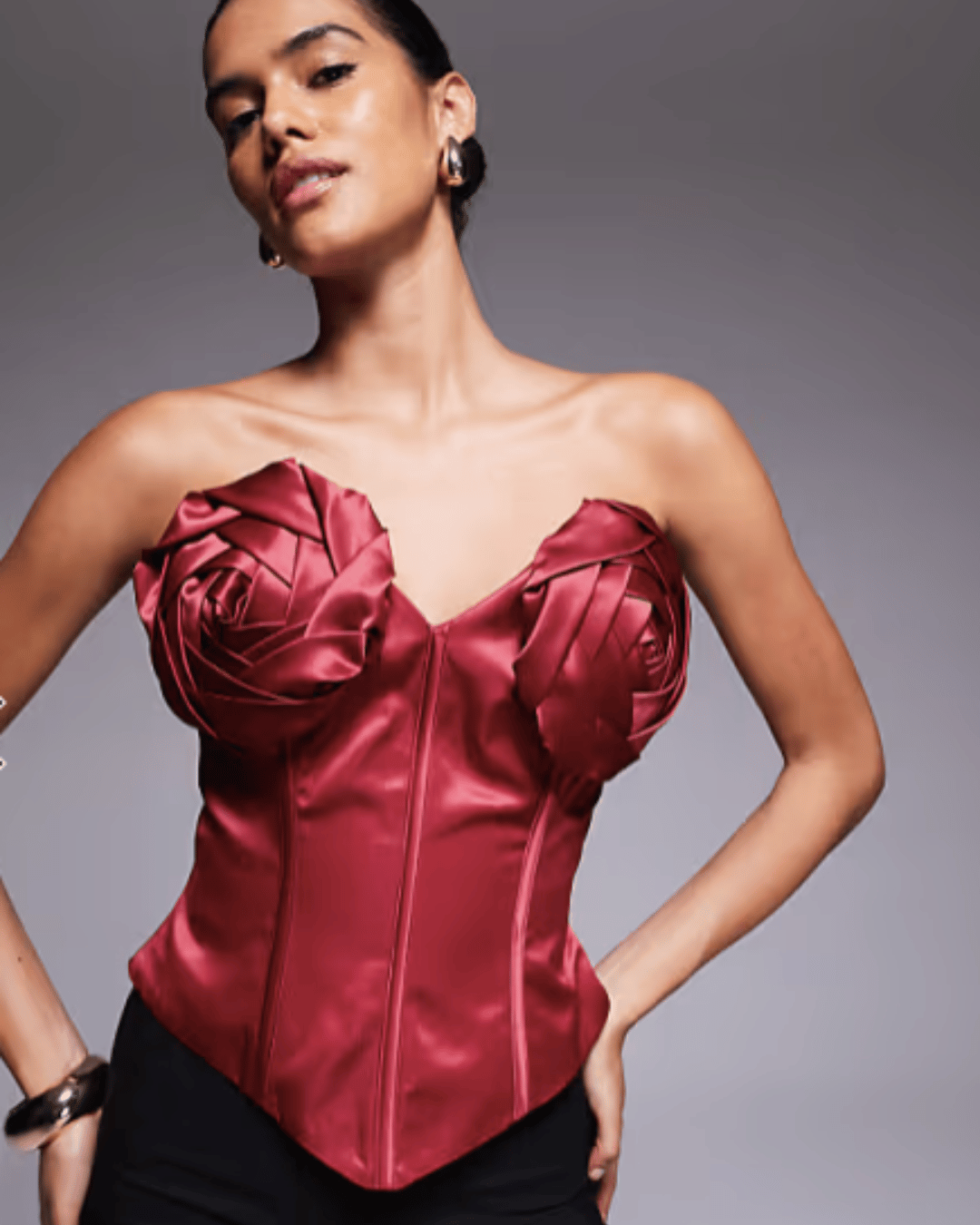
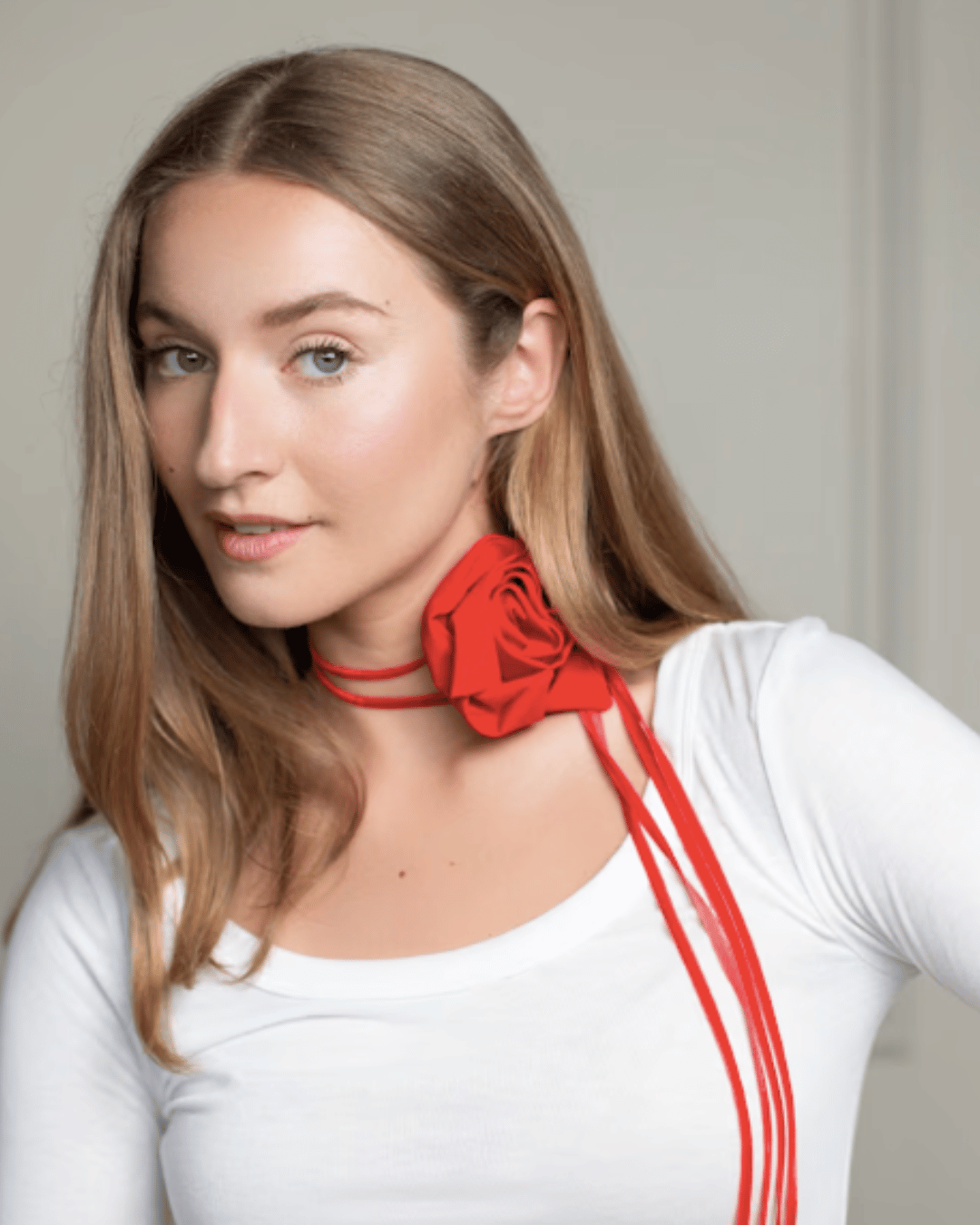
Roses are red, violets are blue, but you’ll be hard pressed to find anyone rocking blue to celebrate valentines day. Red has been the dominant colour of this day of love, dating back to Greek mythology when Aphrodite, the goddess of love, stumbled across her wounded lover Adonis when a mixture of her tears and his blood combined to produce a beautiful red rose bush when they hit the ground. How romantic. This story has influenced mainstream media portrayals for centuries, and Ecological Valence Theory states that we internalise repeated exposures to colour-object pairings.
For example: yellow = sun = happy;
blue = water = calm;
and, of course, red = rose = love.
Therefore, when we encounter red, we unconsciously make this connection and experience heart-warming, romantic feelings. But you don’t have to wait to be gifted a red rose; instead, wearing something red can heighten the physical manifestation of this colour-object pairing.
When you wear red, your sympathetic nervous system is activated. As a result, you feel more sociable, extroverted, and aroused because you’re responding to your body telling you that it’s time to get the party started. Wearing red encourages the self-acceptance part of self-love by keeping you from moping and feeling sorry for yourself; it forces you to get up and show yourself some love. That’s why long-wavelength colours are linked to more active emotions. Studies have also shown that wearing red encourages the ‘self-contact’ part of self-love by boosting your confidence and making you see yourself as more attractive.
2. Deep Touch Pressure
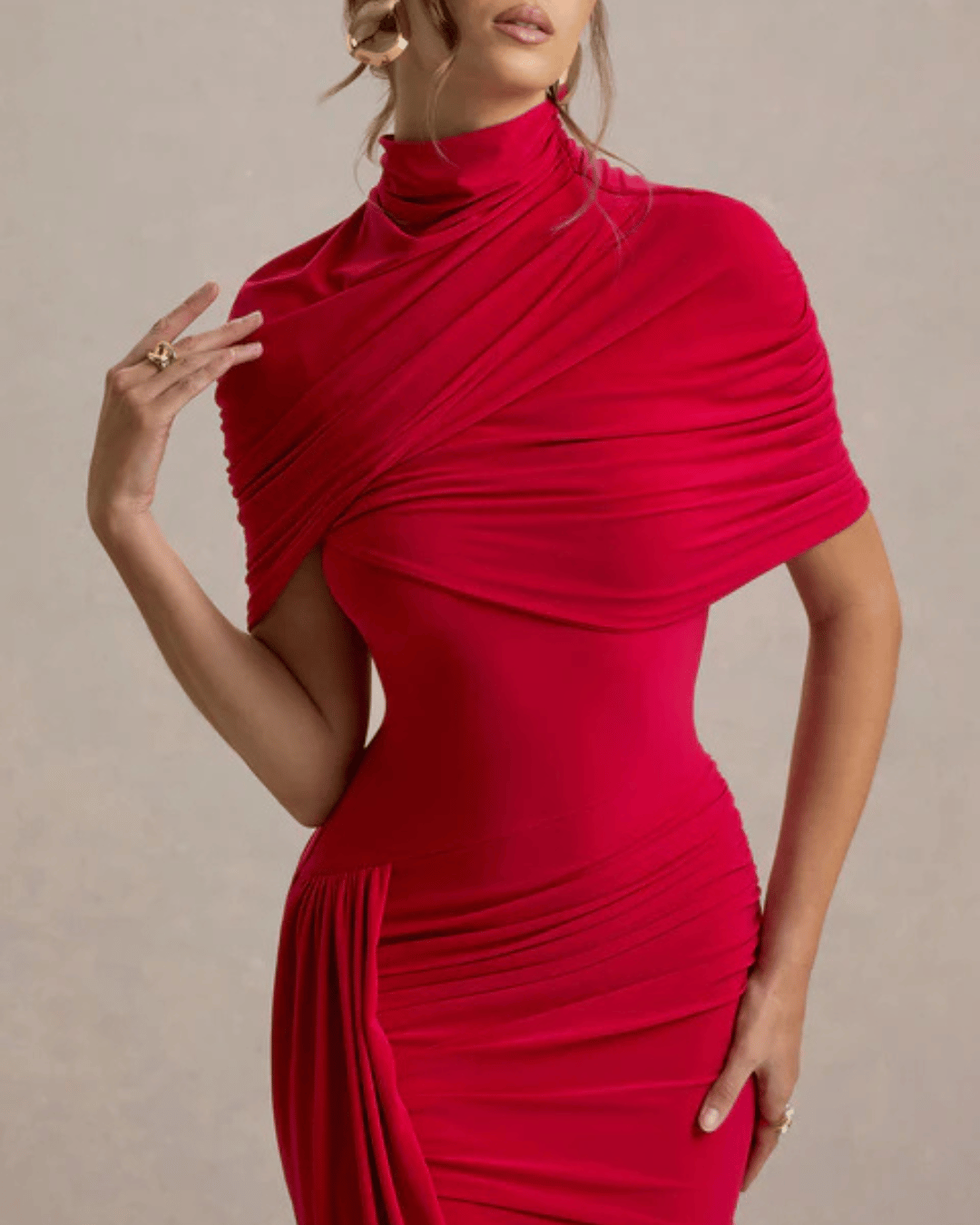
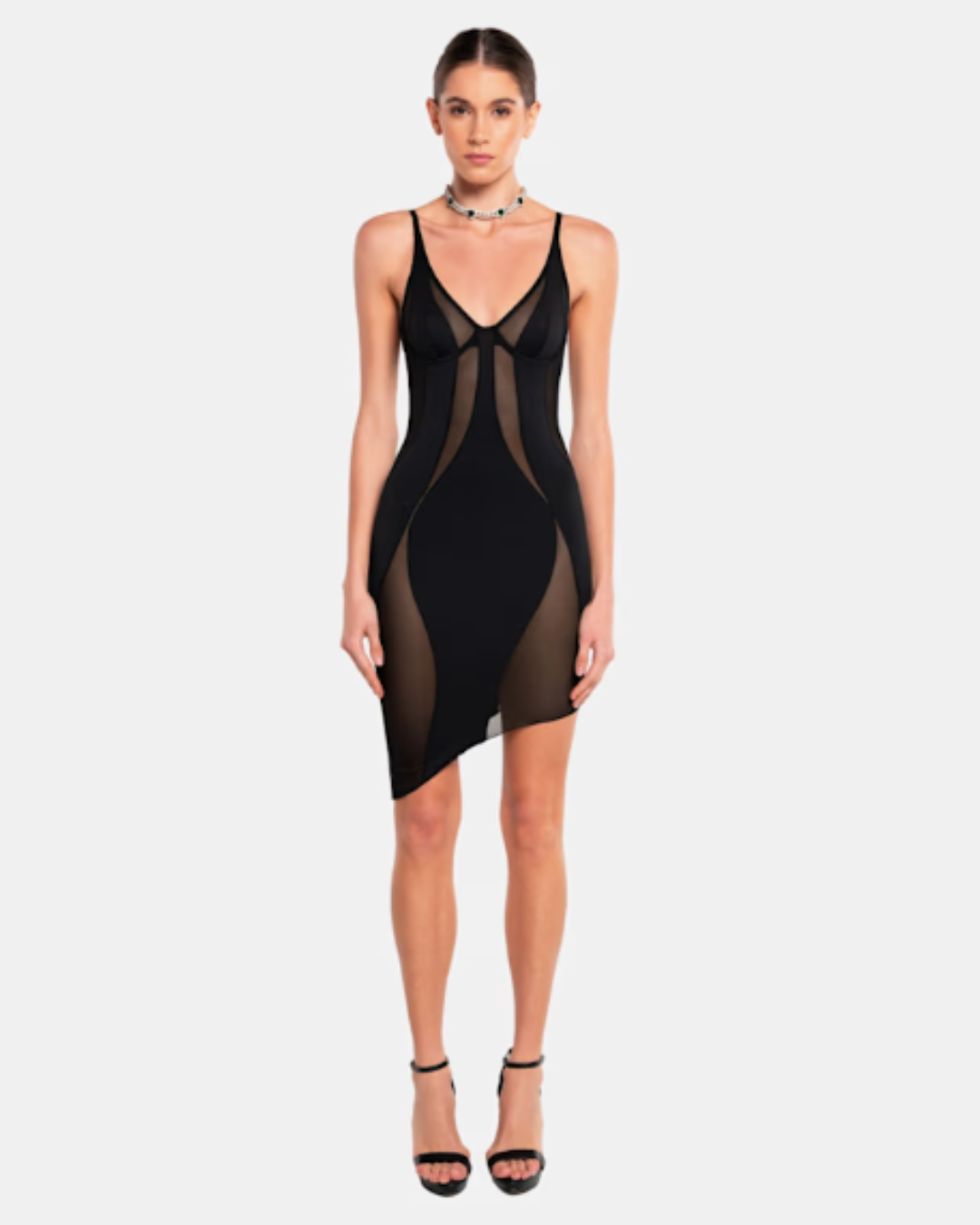
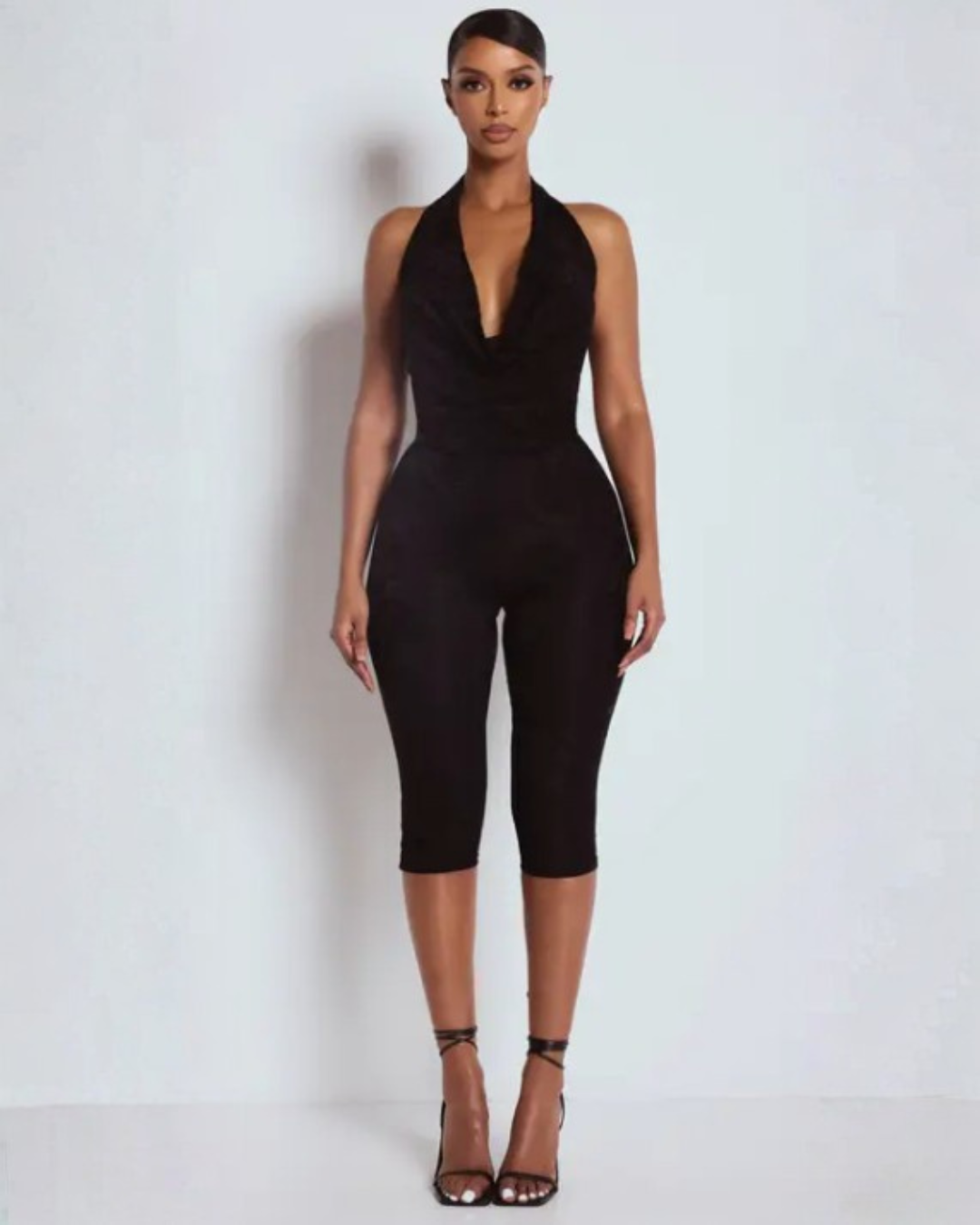
The bandage dress’s resurgence this year has got people around the world excited to take their date night and ‘I’m going to take a lap around the club’ attire to the next level, but these figure-hugging styles do way more than capture the attention of potential suitors.
Scientists have discovered that “deep touch pressure”, or a squeezing sensation around the body, has therapeutic and calming effects. We’re all prone to drowning our bodies in oversized clothing when the self-loathing demon comes knocking, but research suggests that’s not the attire to reach for when you’re trying to embrace self-love. Activewear, compression wear, and form-fitting clothing, in general, can allow you to experience deep touch pressure and the accompanying anxiety-reducing benefits. Think of these garments as movable weighted blankets, a little bit of pressure with a big reward.
The ‘self-acceptance’ component of self-love is all about being at peace with yourself, but it’s often hard to do that when you’re focusing too much on how people think about you and less about how you feel about yourself. Considering yourself is the first step toward being at peace with yourself, and deep-touch pressure not only calms you, but the squeezing sensation also encourages you to be present in your body and tap into your true feelings.

3. Soft Fabrics
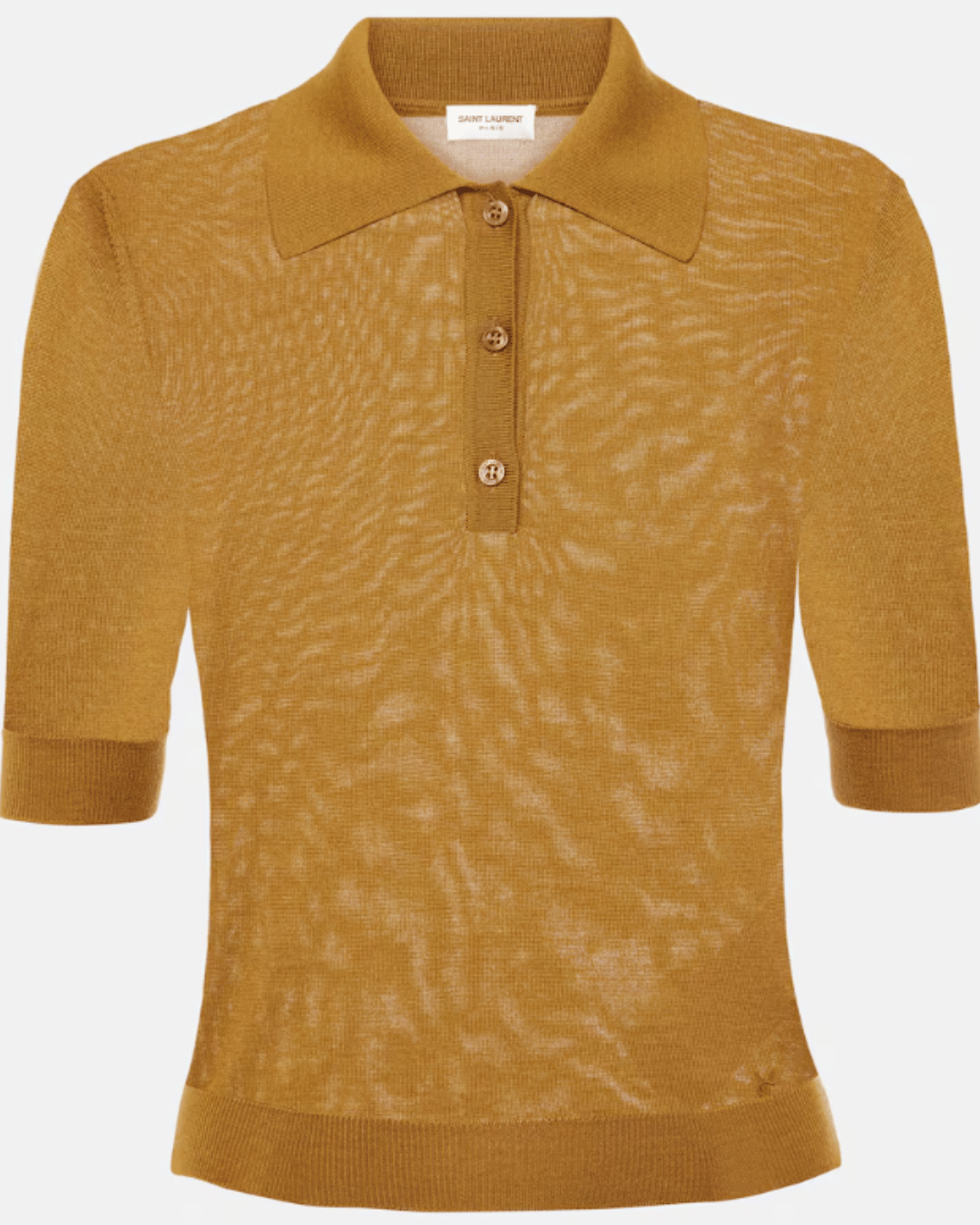
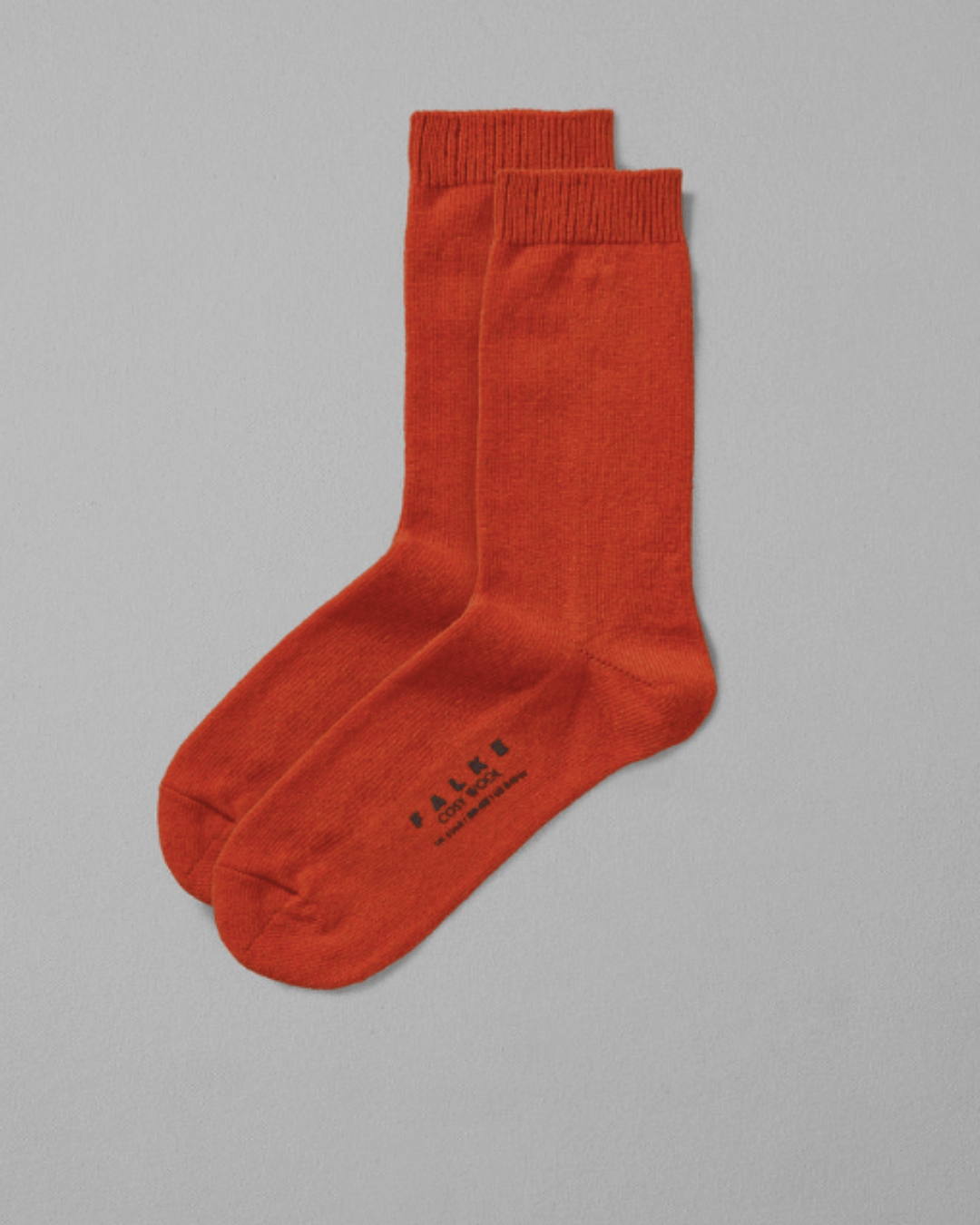
Self-love is not always loud, bold or performative. Sometimes it is quiet, tender and sensory. The textures we place directly onto our skin matter far more than we realise because skin is our largest sensory organ. Research in somatosensory psychology shows that pleasant tactile stimulation can lower physiological stress responses and increase feelings of comfort and emotional safety. A study published in Psychological Science found that soft touch can activate the parasympathetic nervous system, reducing cortisol and promoting calm
Choosing breathable, soft fabrics such as cotton, silk, modal, or cashmere is a form of self-care in action. When your clothes do not irritate, restrict or overstimulate your body, you are sending yourself the clear psychological message that your comfort matters.
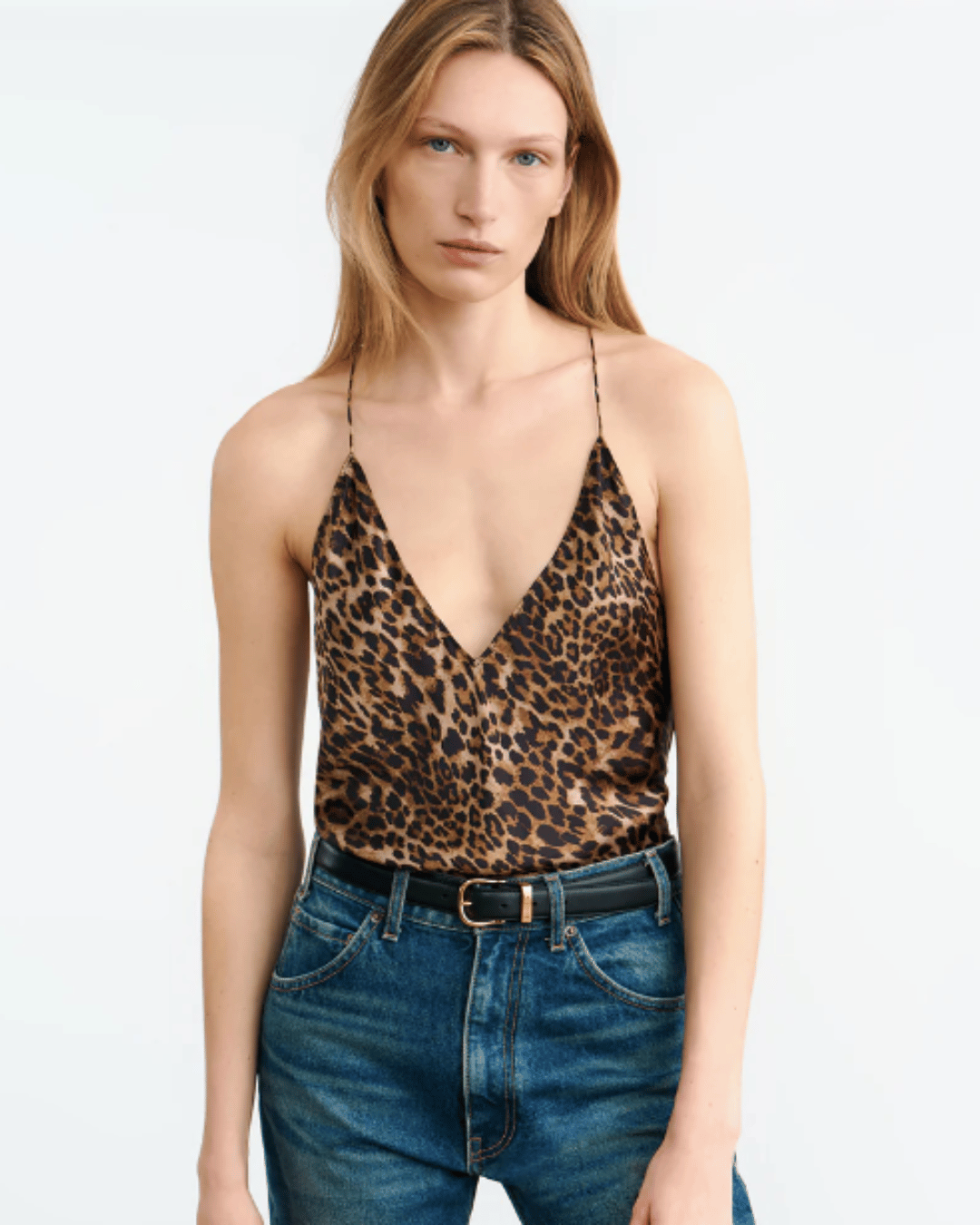
4. Dopamine through novelty
While routine can feel safe, novelty plays a crucial role in emotional wellbeing. Psychological research consistently shows that exposure to novelty activates dopamine pathways in the brain associated with motivation, pleasure and reward.
A foundational paper in Nature Neuroscience demonstrated that novel experiences trigger dopamine release in the hippocampus and midbrain, enhancing mood and engagement.
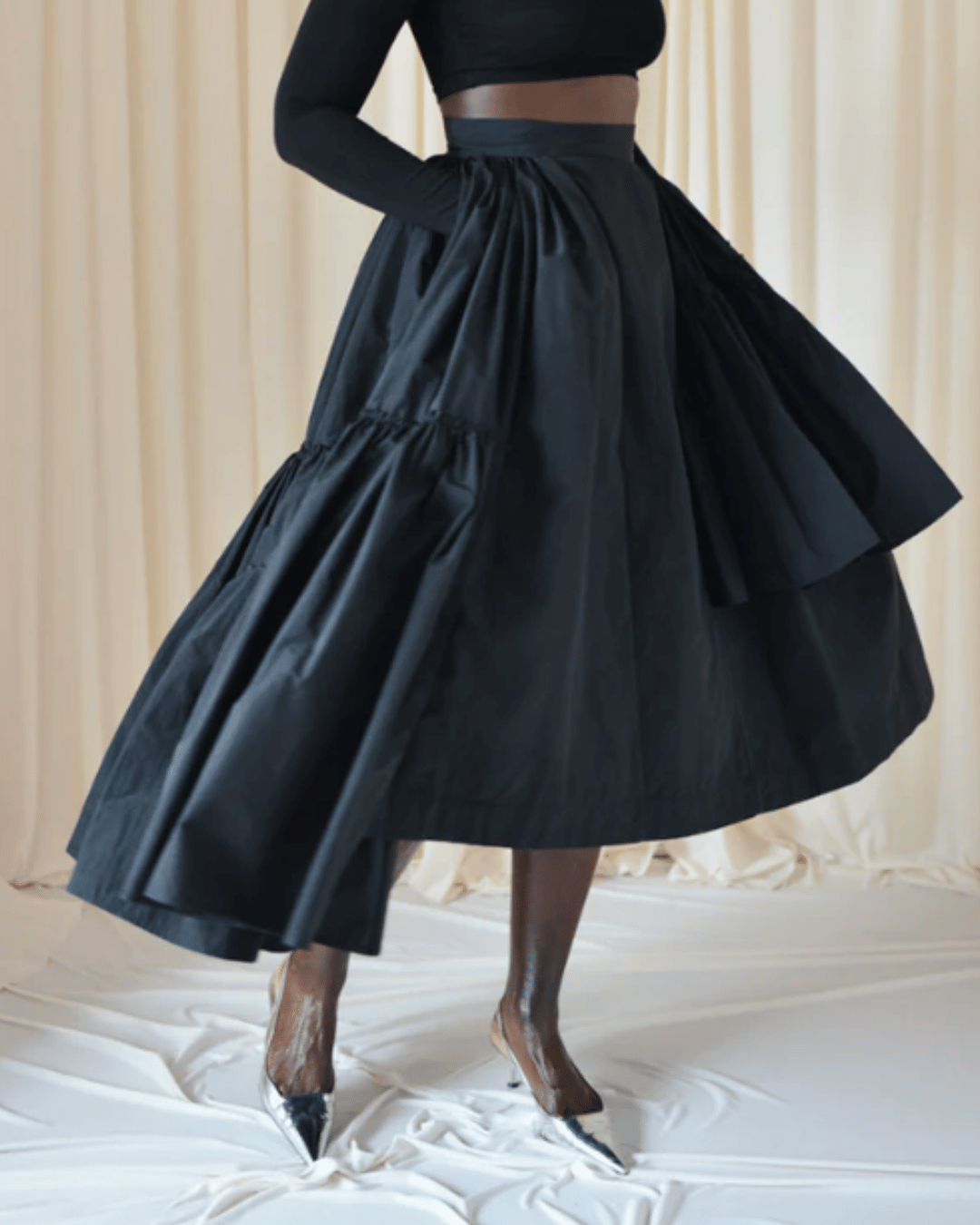
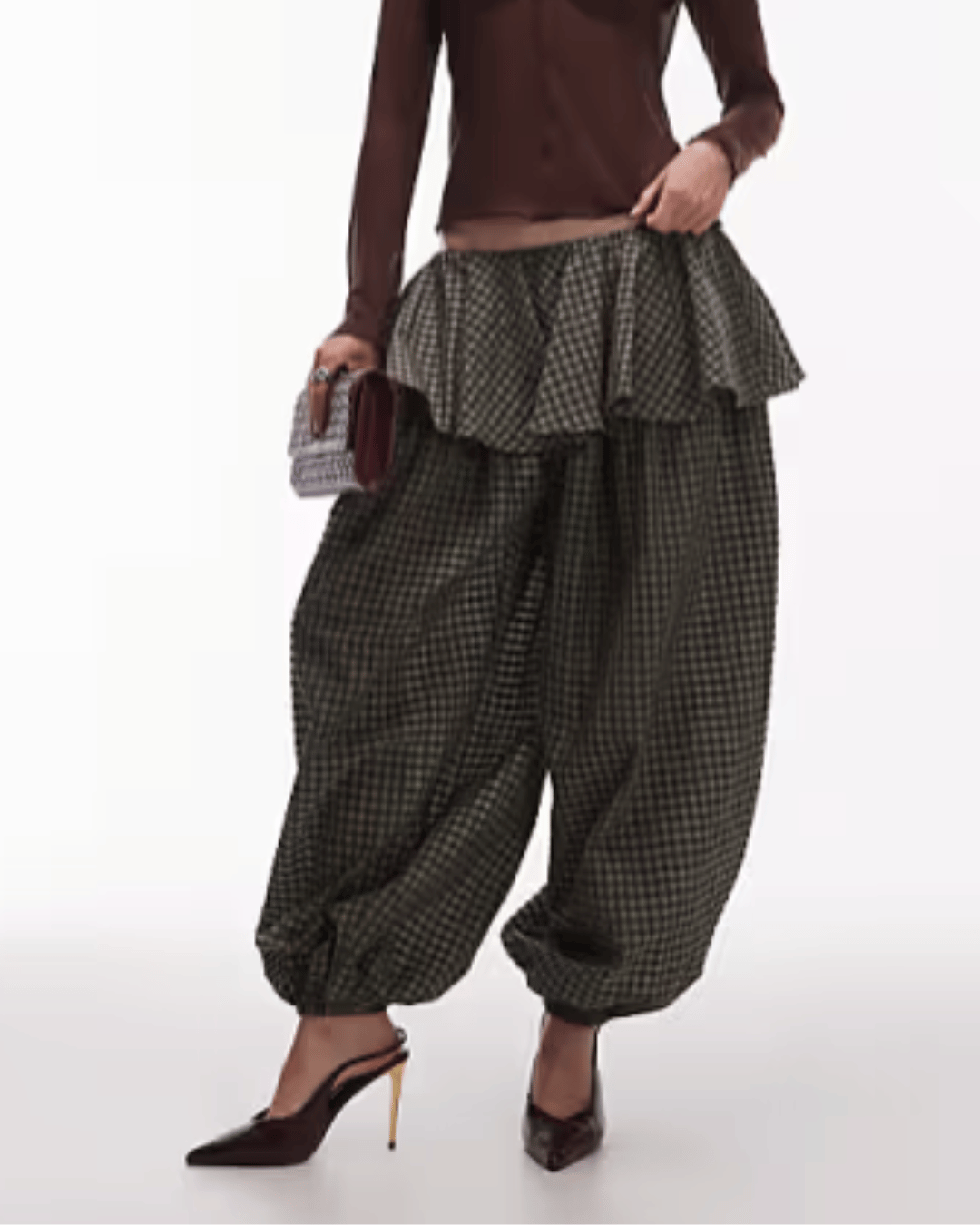
Introducing novelty into your wardrobe does not mean excessive consumption. It can be as simple as styling an item differently, wearing a forgotten piece, or experimenting with an unfamiliar silhouette. This encourages self-contact by pulling you out of autopilot dressing and asking you to tune into how you feel in the present moment.

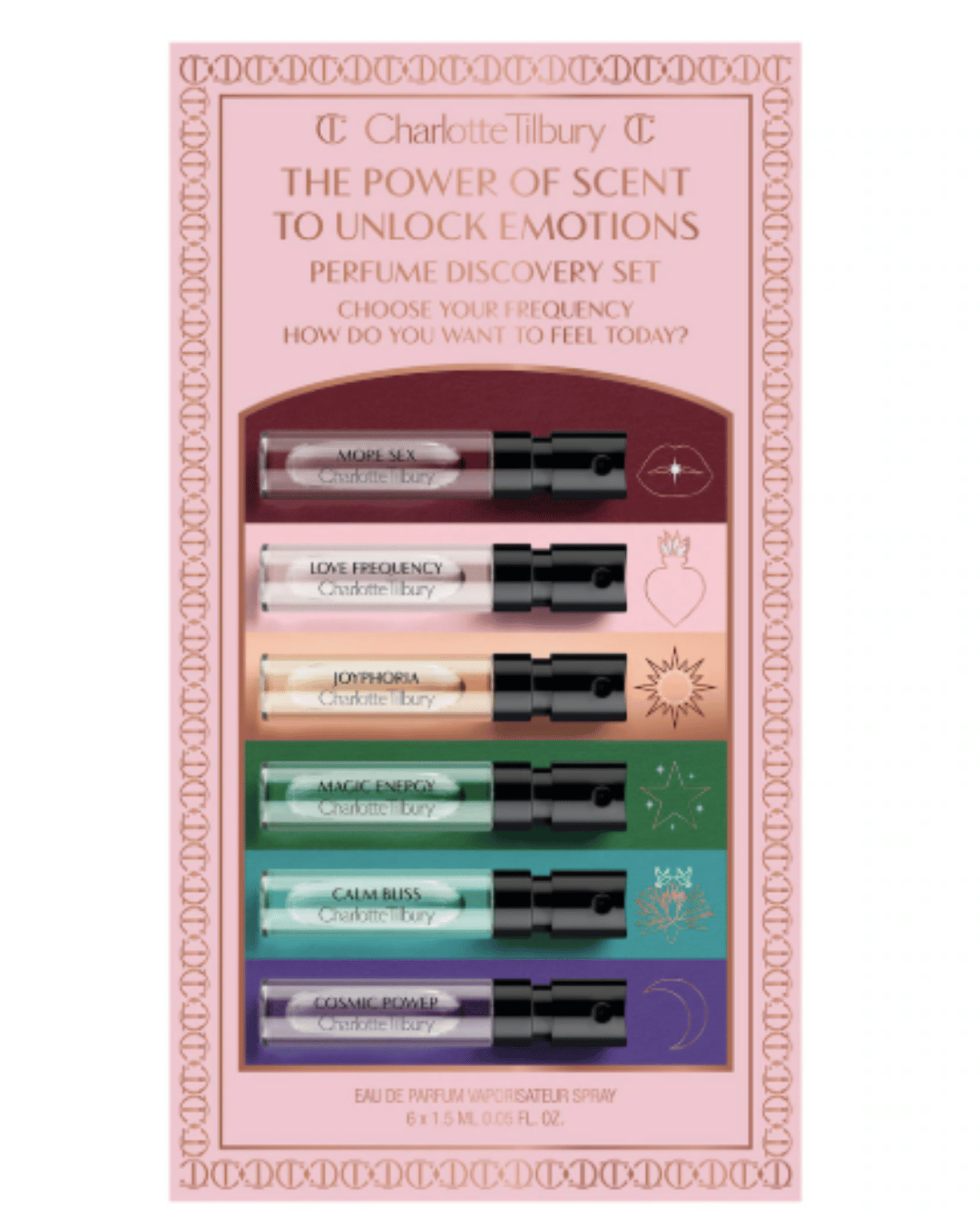
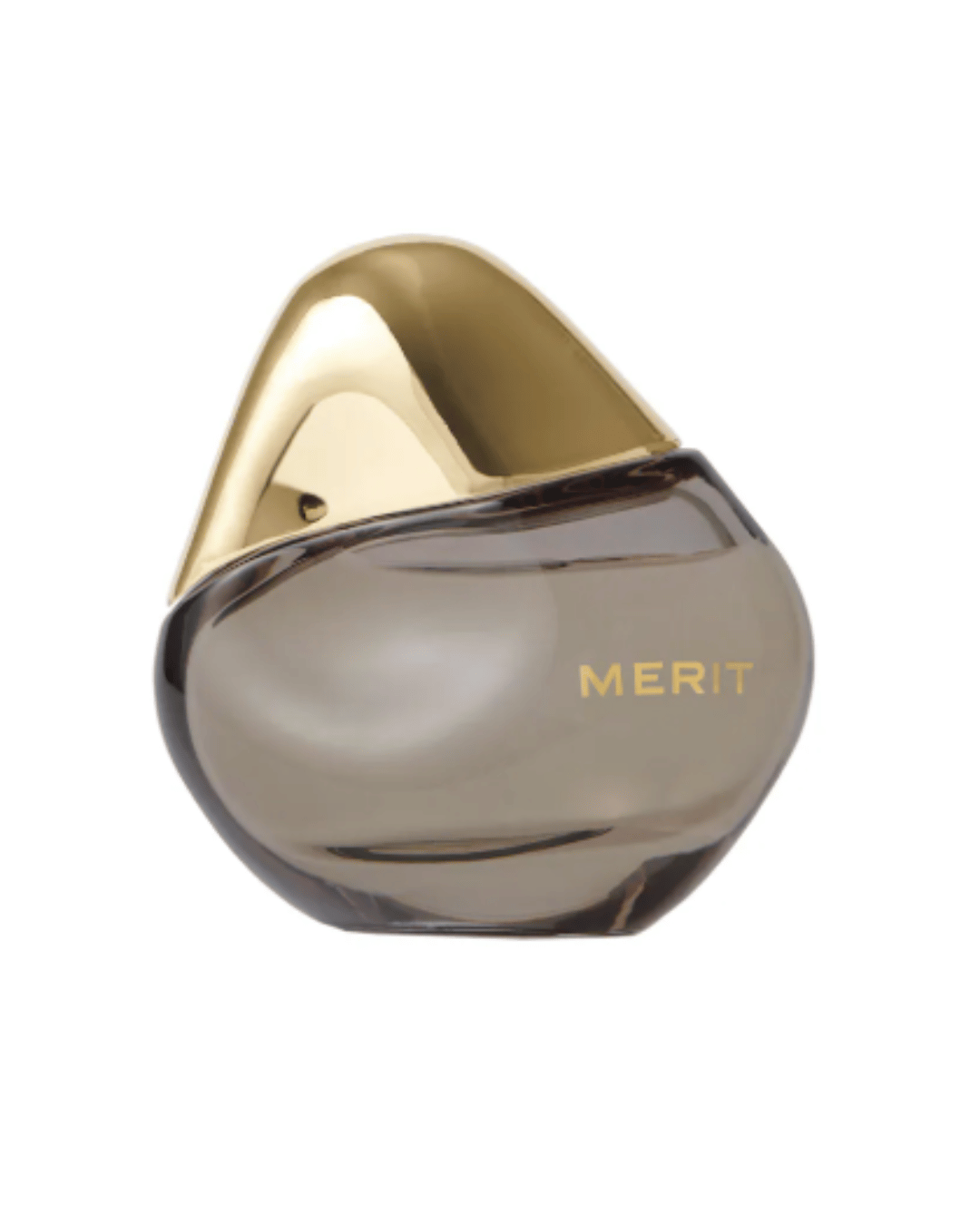
5. Happy Scents
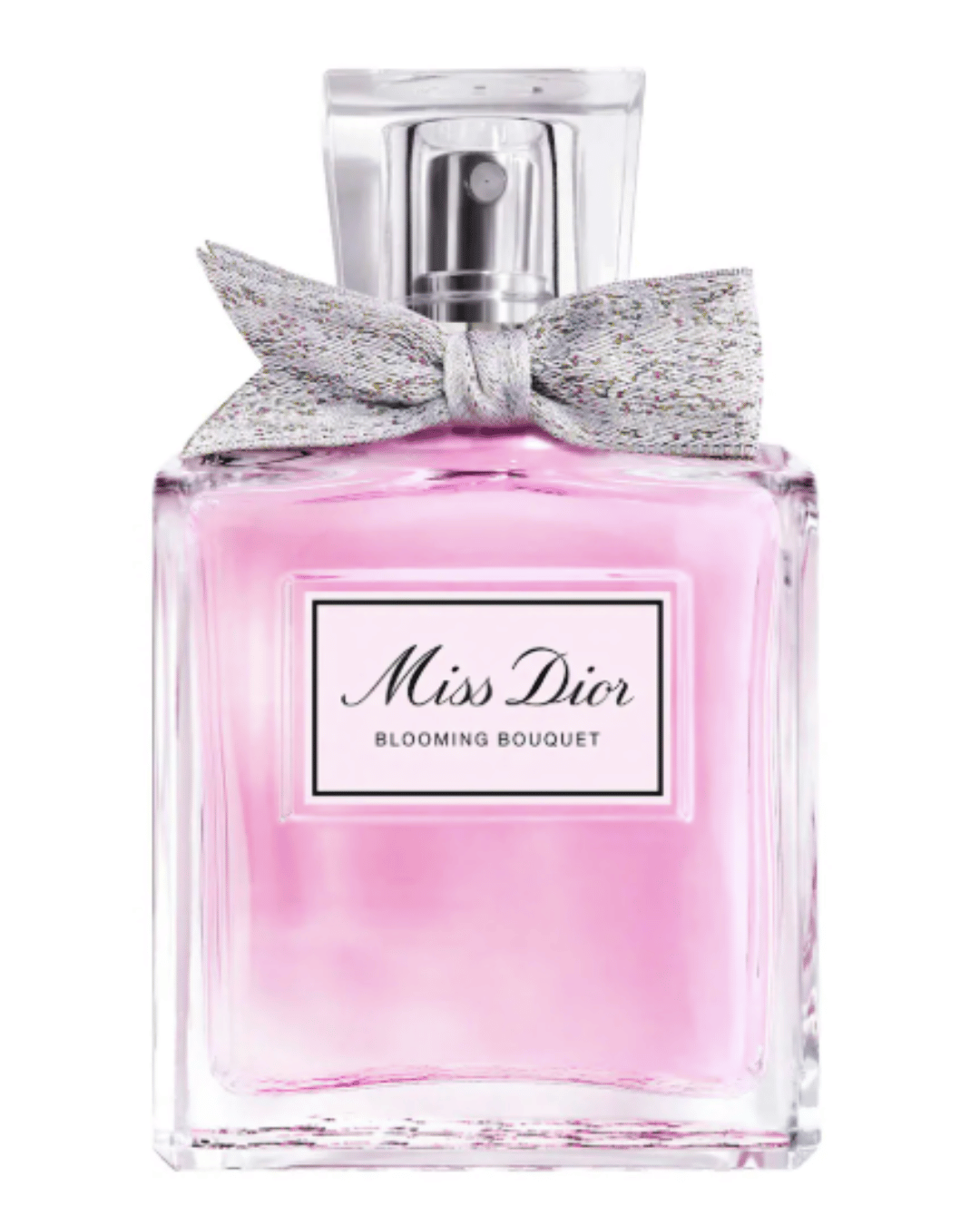
Scent is one of the most emotionally powerful sensory inputs we have. Unlike other senses, smell has a direct pathway to the limbic system, the part of the brain responsible for emotion and memory. This is why fragrance can instantaneously change mood, confidence and emotional state.
A study published in Frontiers in Psychology found that pleasant scents significantly improved mood and reduced anxiety, particularly in emotionally vulnerable individuals. Choosing a fragrance for yourself rather than for external validation is an act of self-acceptance. It reinforces the idea that pleasure does not need an audience to be valid.
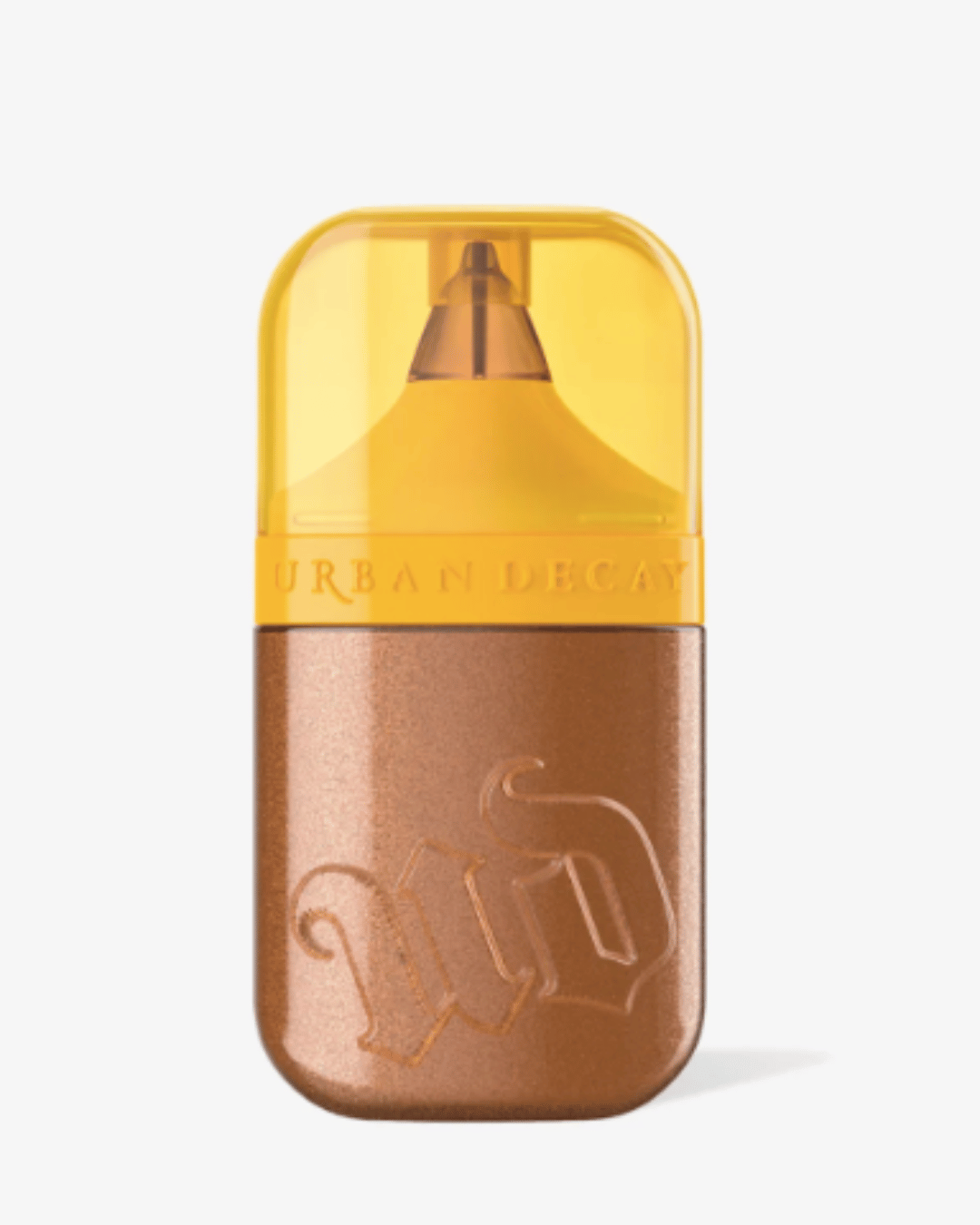
6. 2016 makeup
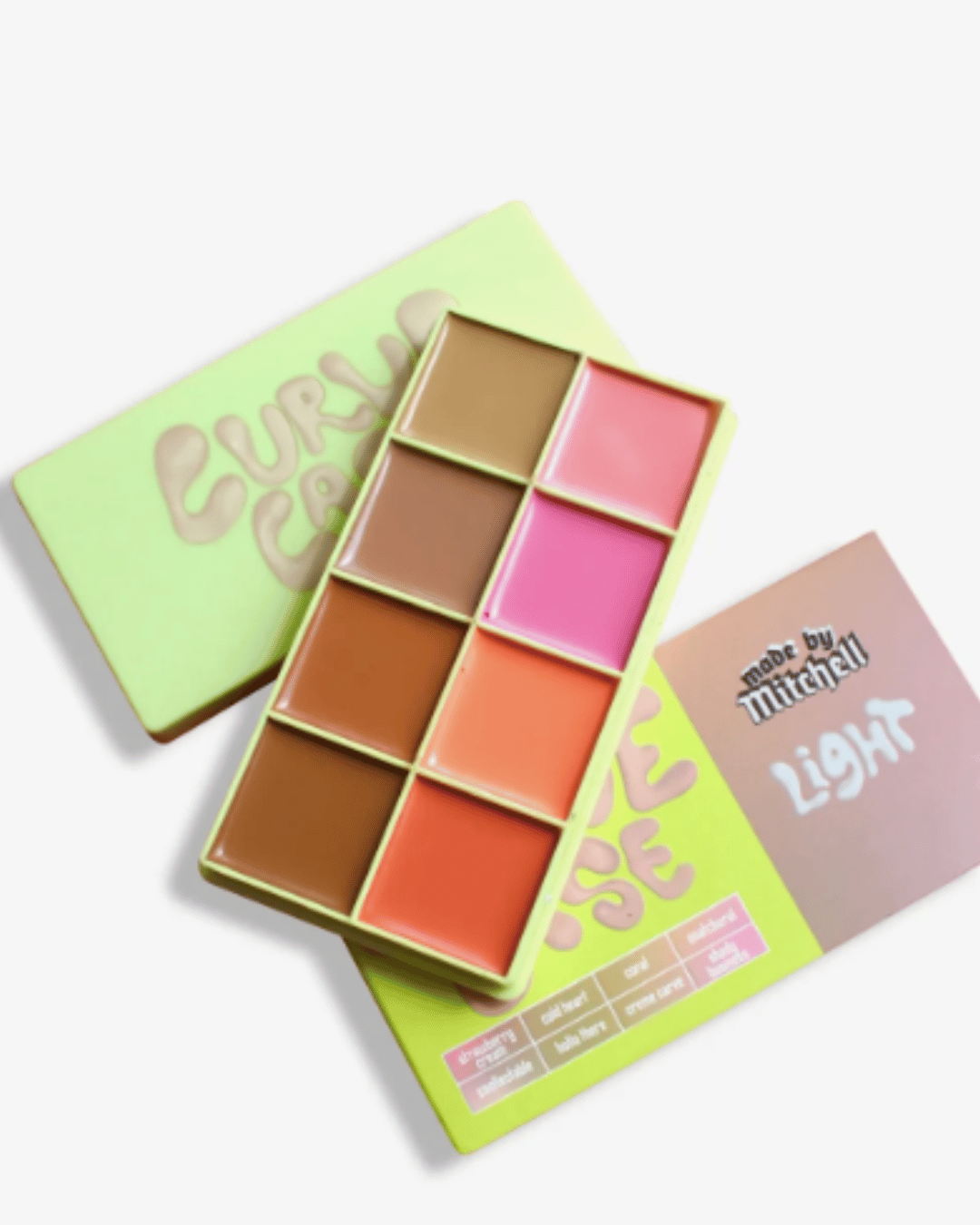
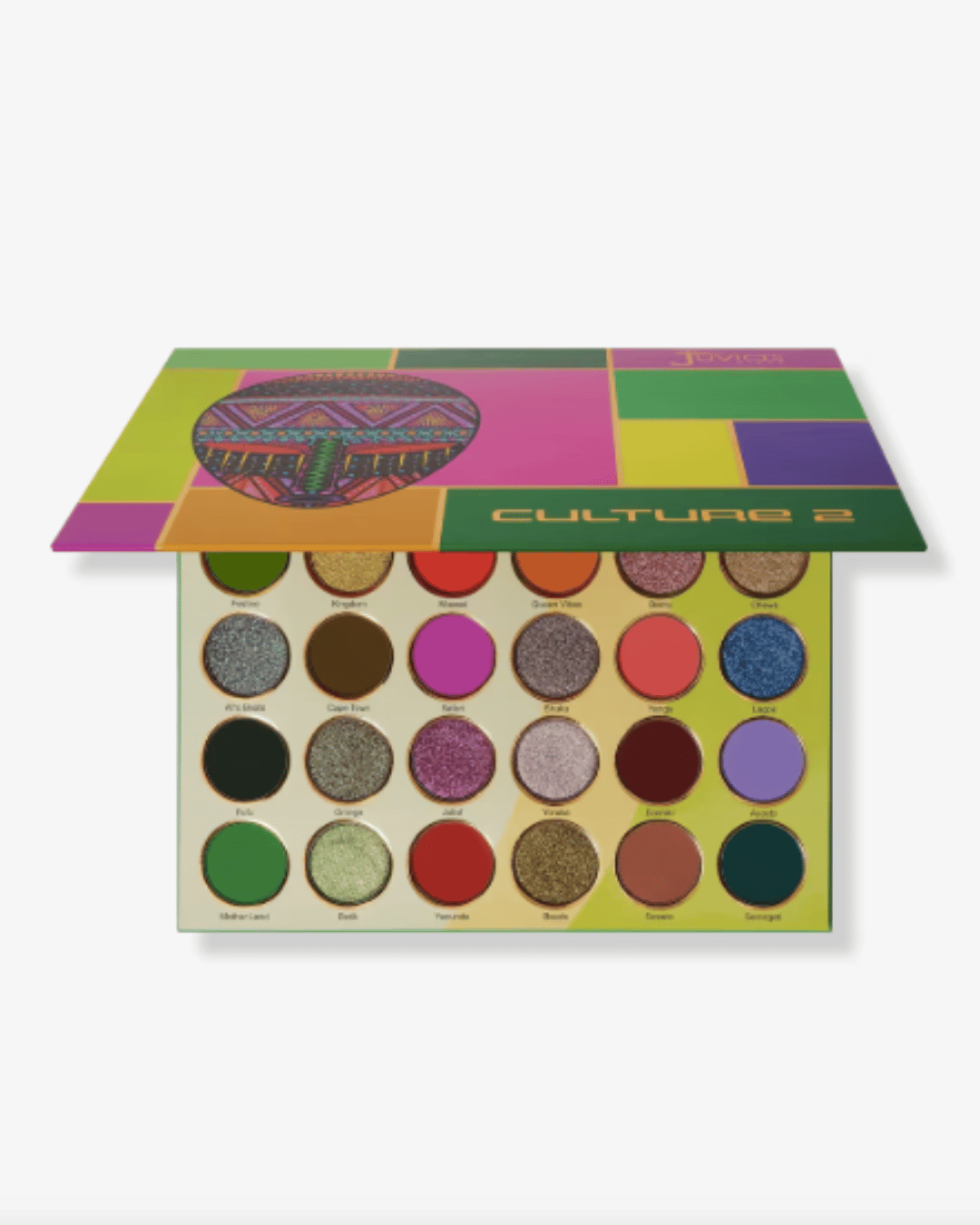
Revisiting a past aesthetic is not regression. It is psychological integration. Research on identity continuity shows that reconnecting with past versions of the self can increase feelings of coherence, confidence and emotional stability.
A paper in Journal of Personality and Social Psychology found that maintaining continuity between past, present and future selves is associated with greater well-being and lower distress. Recreating an old makeup look that once made you feel powerful or expressive allows you to reclaim that emotional state. This is self-acceptance in practice, honouring who you were while integrating it into who you are now.
Styling as self-love, not self-fix
Styling for self-love is not about self-improvement, desirability or external approval. It is about using clothing as a tool for attention, acceptance and care. This Valentine’s Day and beyond, let your outfit be an act of patience, kindness and presence. Love was never meant to hurt, especially when it is directed inward.
Some links are affiliated, and FiP may receive a commission