
Fashion Psychology: Why We Buy What We Buy
Our favourite pieces bring out the best in us, don’t they? We feel confident and in control, which, especially in situations in our professional life, is half the work. On the contrary, I still have pieces in my closet I rarely look at because I haven’t made the best memories with them. I bought them for a variety of reasons, most of them being driven by some FOMO: FOMO driven by trends, identity, and the need to belong.
And that’s the thing about clothes – they hold more than fabric; they hold emotion, which is precisely why we need a new way to measure their real value.
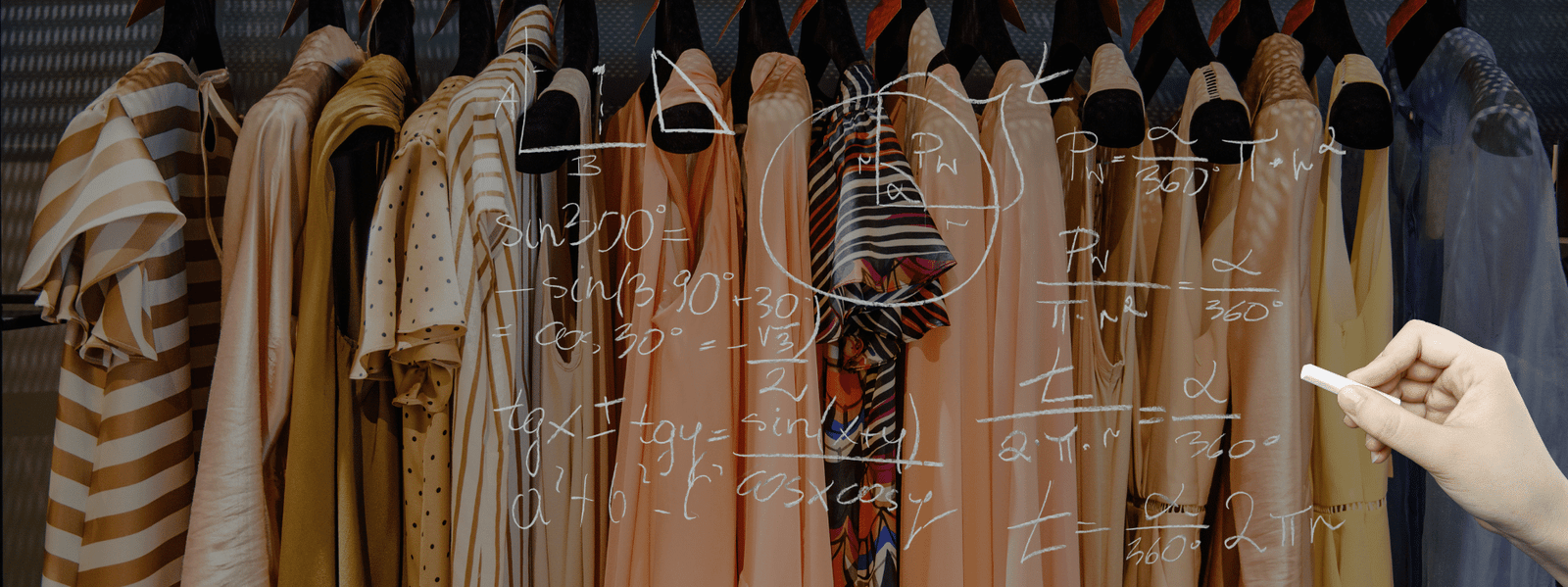
Your Wardrobe Is a Portfolio - Start Managing It Like One
When Style Turns into Stress
The cluttered closets. The guilt of forgotten purchases. The decision fatigue of having “nothing to wear” in a closet full of clothes. Every impulse (‘but it just looks so nice’) buy adds up – not just in euros, but in mental noise. So, the actual hidden cost is psychological. We keep chasing the next new thing, hoping it’ll make us feel fresh/put-together/’that Pinterest-worthy girl´ again – but it rarely does.
Redefining “ROI” in fashion gives us control back – over our money, our mindset, and our identity. It’s about shifting from reacting to trends to investing in ourselves. That’s the essence of fashion psychology – how what we wear becomes a mirror of who we are and who we aspire to be.
Here’s one key takeaway for you: Conscious consumption isn’t about perfection; it’s about intention. Wearing what you have. Choosing secondhand first. Buying new only when it’s built to last. And when you do, choose brands that ethically honor culture, family tradition and slow craftsmanship.
And maybe, just maybe, the best investment you’ll ever make isn’t a stock – it’s a jacket you’ll still love ten years from now.