
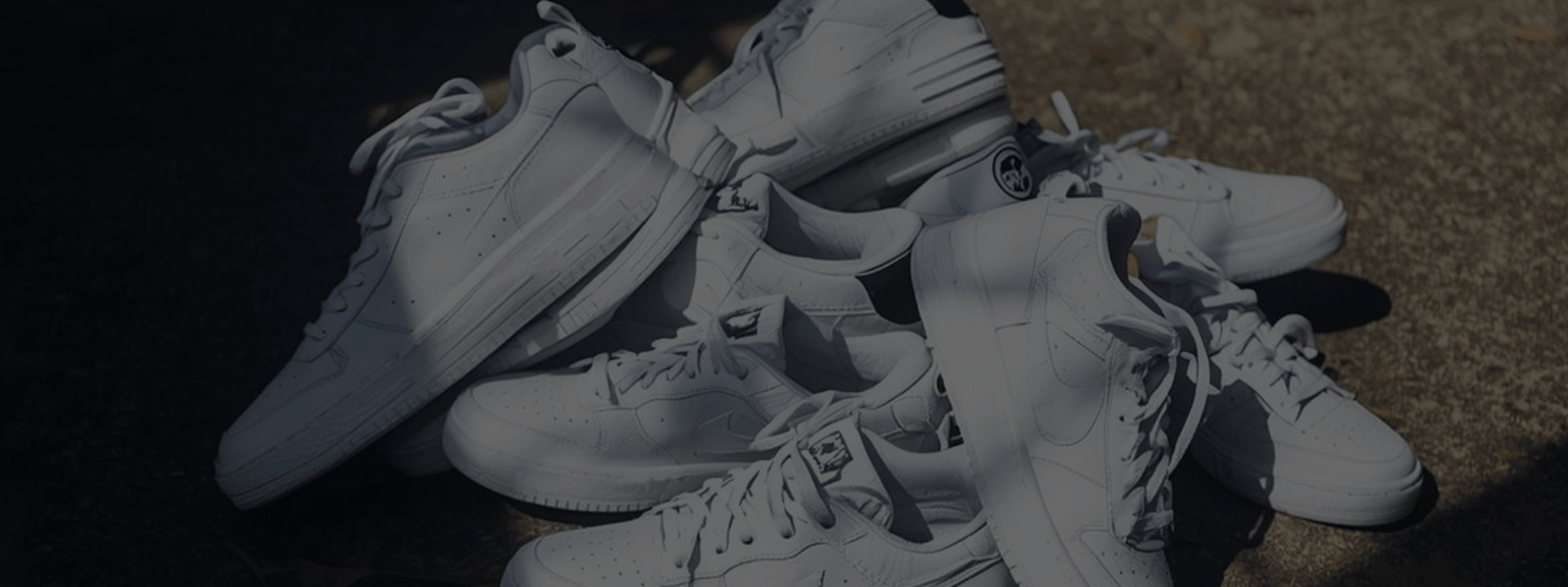
My fellow maximalists are doing our best to administer life-saving efforts, but the prognosis is poor. We’re getting a front row seat to the slow and agonising death of main character energy. As humans, we constantly switch between two desires: fitting in and standing out, but recent research suggests that, these days, fading into the background has become more appealing than ever. While minimalism and muted styles have their pluses, fashion psychology teaches us that the benefits of adopting expressive styles, particularly when it comes to your shoe collection is not something you should easily dismiss despite the siren song of quiet (read mute) luxury.
All white everything
I first noticed something was up when Pantone released the colour of the year for 2026. ‘Cloud Dancer’ is the first time a shade of white has been bestowed with such an honour. Described as “a billowy white imbued with serenity that encourages true relaxation and focus”, the popularity of this minimalistic hue has translated into the footwear market. According to research compiled by Slingo, the slightly tattered-looking Balenciaga 3XLs were the most coveted shoes of 2025, with nearly 900,500 annual global Google searches and over five thousand social media hashtags, with the off-white pair appearing to be the most popular colourway. Similarly, an analysis by Woven Insights of the most popular All Stars pair identified Winter White as the dominant colourway in 2025. When investigating the global B2C footwear market, AI sourcing engine Accio zoomed in on Amazon sales and discovered that the best-selling pair of 2025 was a white pair of VAMJAM Men’s Running Shoes.
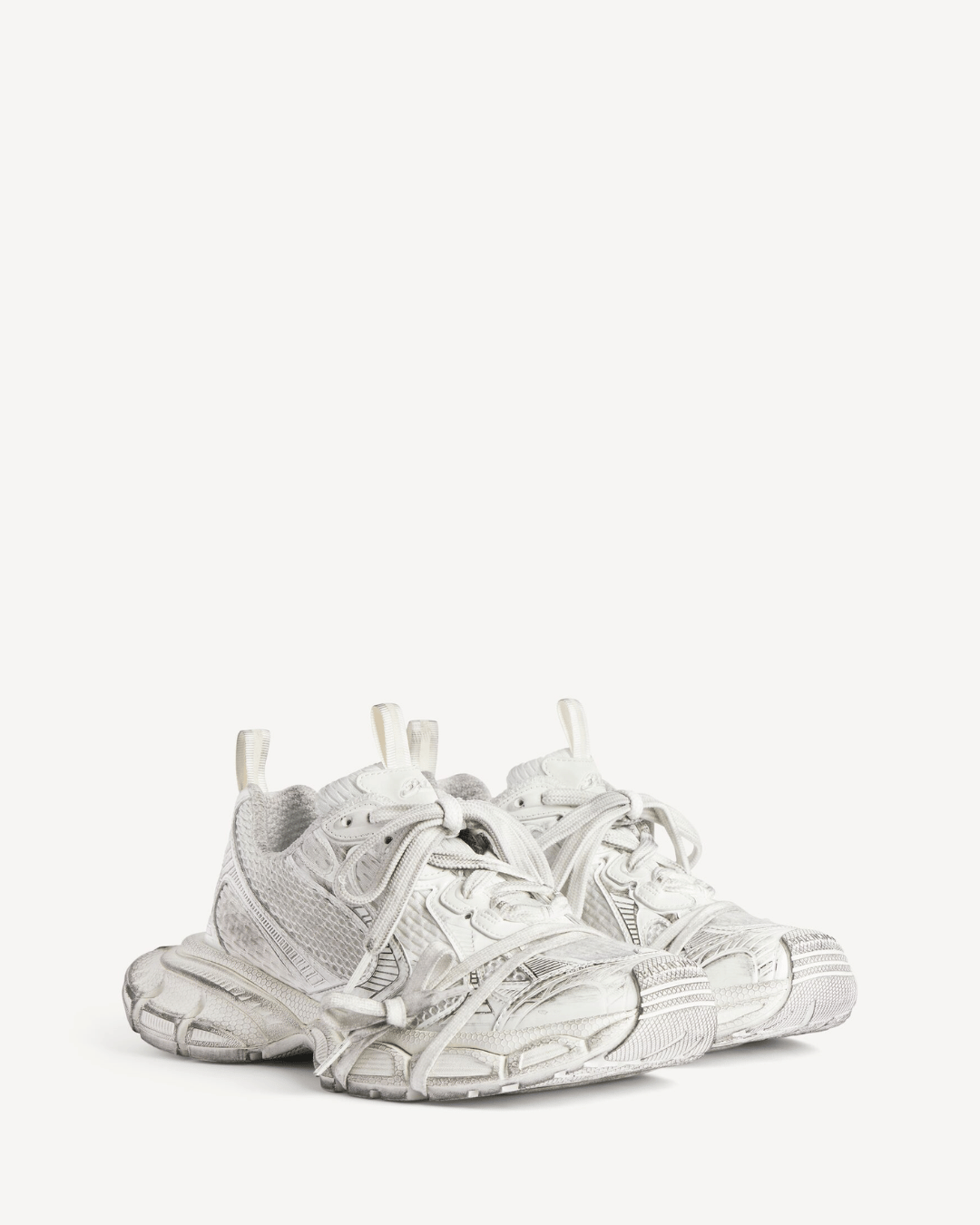
Balenciaga Women’s 3xl Trainers in White
”not only is footwear an extension of self; it also acts as a repository of memory and meaning in our lives
Dr. Russell Belk
The popularity of white can be attributed to the fact that, simply put, it goes with everything. In a time when we’re finally realising that sustainability is not just about where we buy things but also includes how long we can extend the life cycle of what we’re buying, purchasing items like white shoes that are easy to style over and over again just makes sense.
A 2016 study suggests that a psychological reason for the preference for white trainers may stem from associations with morality. The study found that wearing white made people feel more moral and upstanding. Ecological Valence Theory suggests that colour-object pairings are what drive our relationship with colour. What’s the first thing that pops into your mind when you think of white? White flag? Clouds? Snow? All things associated with calm and tranquillity, a sentiment shared by Laurie Pressman, Vice President of the Pantone Colour Institute, who also agreed that the white signifies relief and a reset, almost like a blank canvas. But in my opinion, a blank canvas is only perfect when an artist adds their unique flair to it. When styling ourselves every day, we should consider ourselves artists, as putting outfits together is an exploration in self-discovery and creativity. But that creativity is being slowly drained. White shoes are becoming less of a love letter to minimalism and more of a “that’ll do” attention-resisting approach to style, and I can prove it.


The birth of the background character
In 2024, a first-of-its-kind study published in Collabra Psychology tracked over a million people’s desire to stand out or be unique from 2000 until 2020. They measured this desire based on a person’s concern about other people’s reactions, their desire to break the rules, and their willingness to defend beliefs publicly. The results revealed that over the twenty-year period, there was a sharp decline in people’s willingness to express their uniqueness. William Chopik, the lead author of the study and associate professor in the psychology department at Michigan State University, believes that this decline stems from “people are afraid of drawing too much attention to themselves, potentially because doing so leaves them vulnerable or at risk of being ostracised (or cancelled).”
When it comes to footwear, people’s fear of being ostracised can be traced back to a three-word phrase from the summer of 2015. In a now-famous video, Brandon Moore came across a police officer wearing chunky black boots and taunted, “What are those?!” 17 million views later, and the phrase has now entered Urban Dictionary, which claims the phrase is “what you say/scream when you see someone wearing shoes or other footwear that are dirty and/or non-brand unknown. You should also point your finger in the air then while saying, “What are those?” Make your way down to the person[s] shoes, all while their back is turned.”
Standing out by seemingly making a fashion faux pas is a scary thought for most people, but it can be debilitating for those with social anxiety disorder – the rates of which have been on the rise lately, particularly among young people. The solution many seem to take is to avoid the limelight altogether, which is my theory behind why people are incapable of tearing themselves away from their favourite pair of white shoes. While dressing for yourself should always be the goal, we can’t act as if we get dressed in a silo. Brain imaging studies show that uncertainty activates the threat-sensitive regions of our brain, making us desperate for certainty. Our styles are heavily influenced by our family, peers and the current cultural zeitgeist and following pre-approved trends like white shoes removes any element of uncertainty.
I get it, your white trainers keep your probability of scrutiny to a minimum, which makes you feel psychologically safe, but you may not realise what you’re giving up for this safety. In fact, according to a paper in the Journal of Personality and Social Psychology, many of us can spot when other people are following the crowd but are blind to times when we’re conforming. You’re not wearing white trainers because you want to fit in, you’re wearing them because…it’s just easier.
Sure Jan!
The Red Sneaker Effect
In a 2003 issue of Advances in Consumer Research Dr. Russell Belk perfectly summarised the significance of your daily footwear selection: “not only is footwear an extension of self; it also acts as a repository of memory and meaning in our lives.” Without realising it, the act of choosing the same white trainers can transform into an act of self-sabotage by preventing yourself from experiencing an authentic expression of your taste, leading to feelings of guilt and anxiety. Even worse it could make you appear incompetent.
A study in the Journal of Consumer Research has uncovered the ‘Red Sneaker Effect’ in which researchers found that when people intentionally wore a distinctive pair of shoes that didn’t conform to standard dress codes they were more likely to be perceived as having a “greater professional status” and being more “competent” than those who conformed by wearing typical shoes.
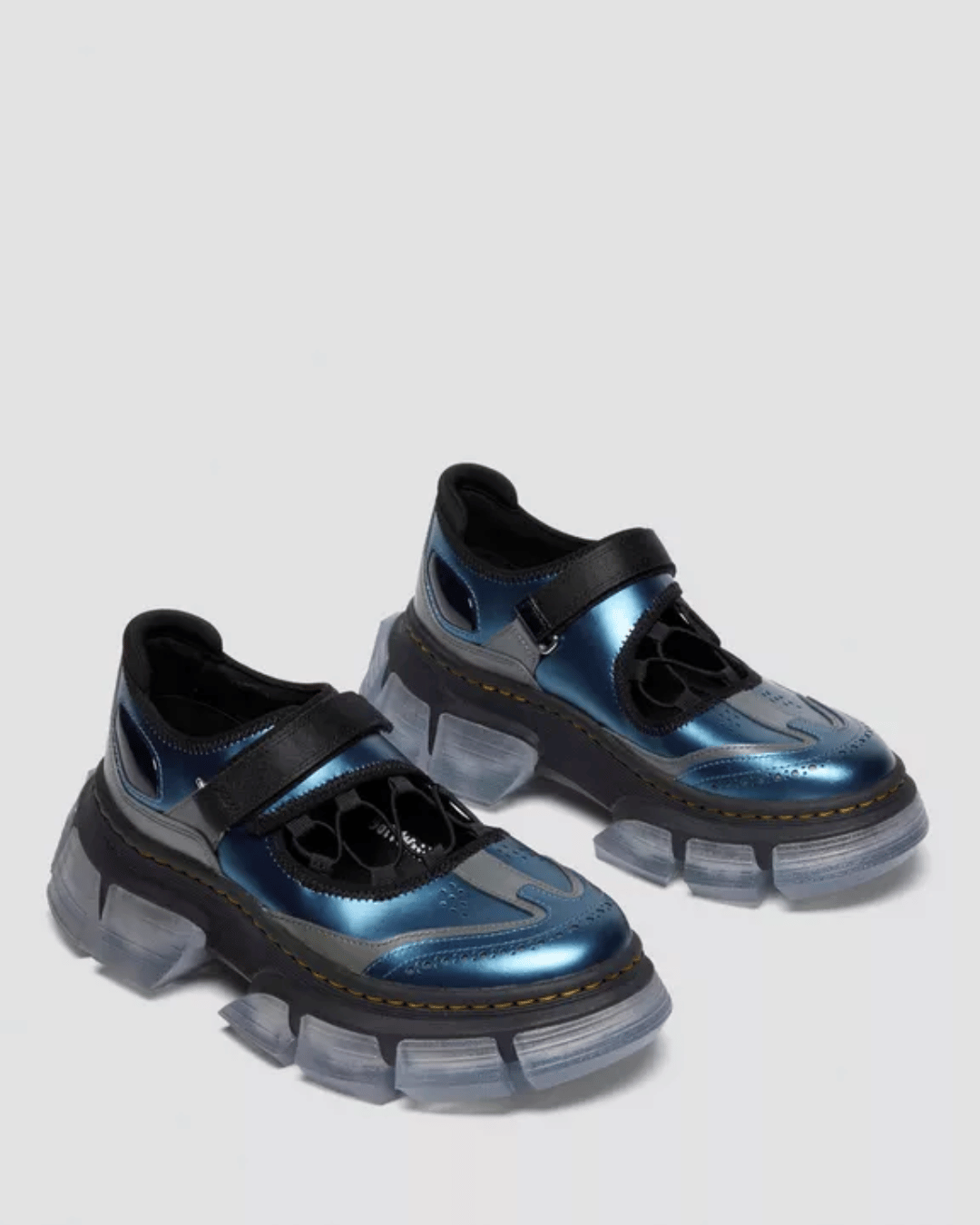
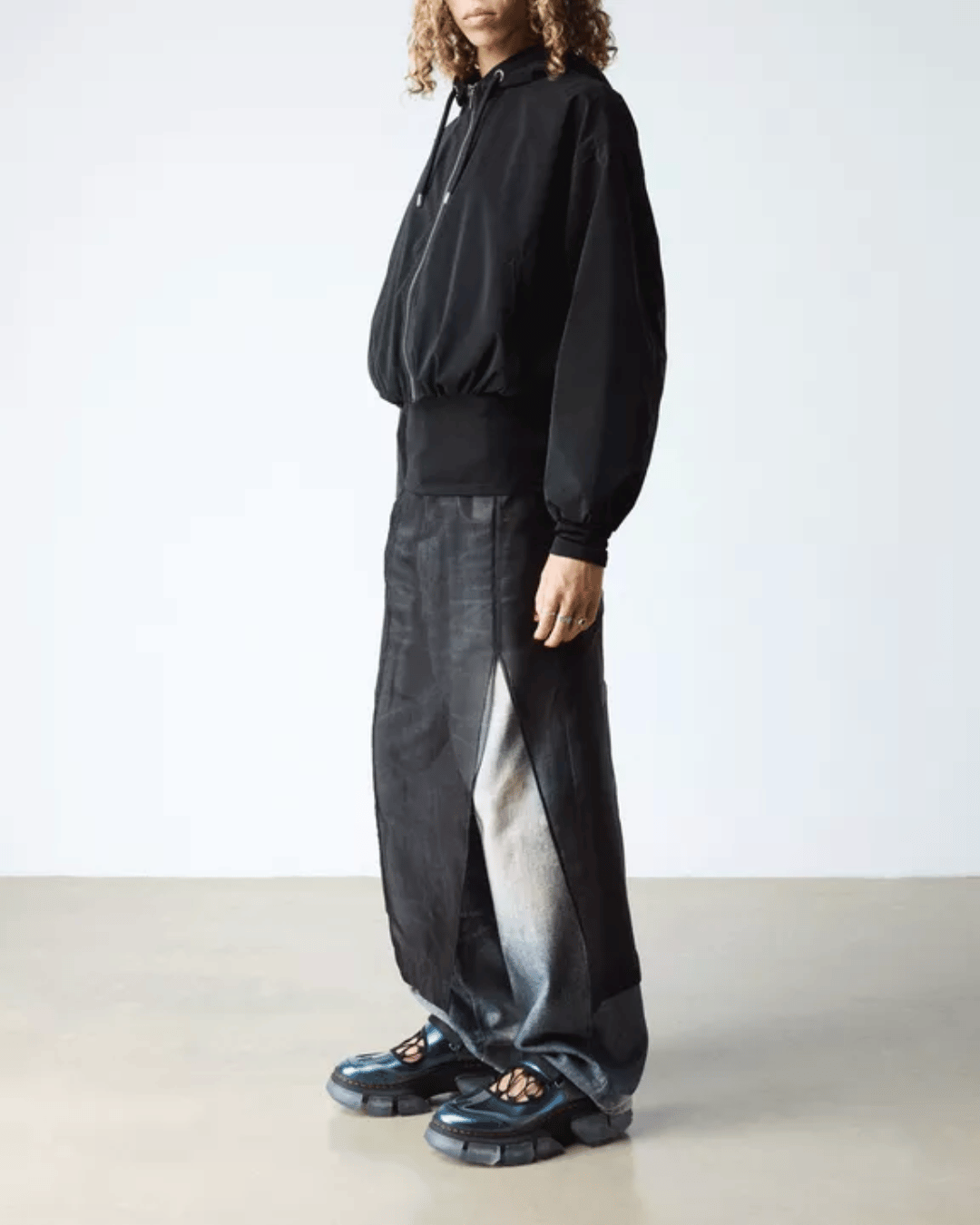
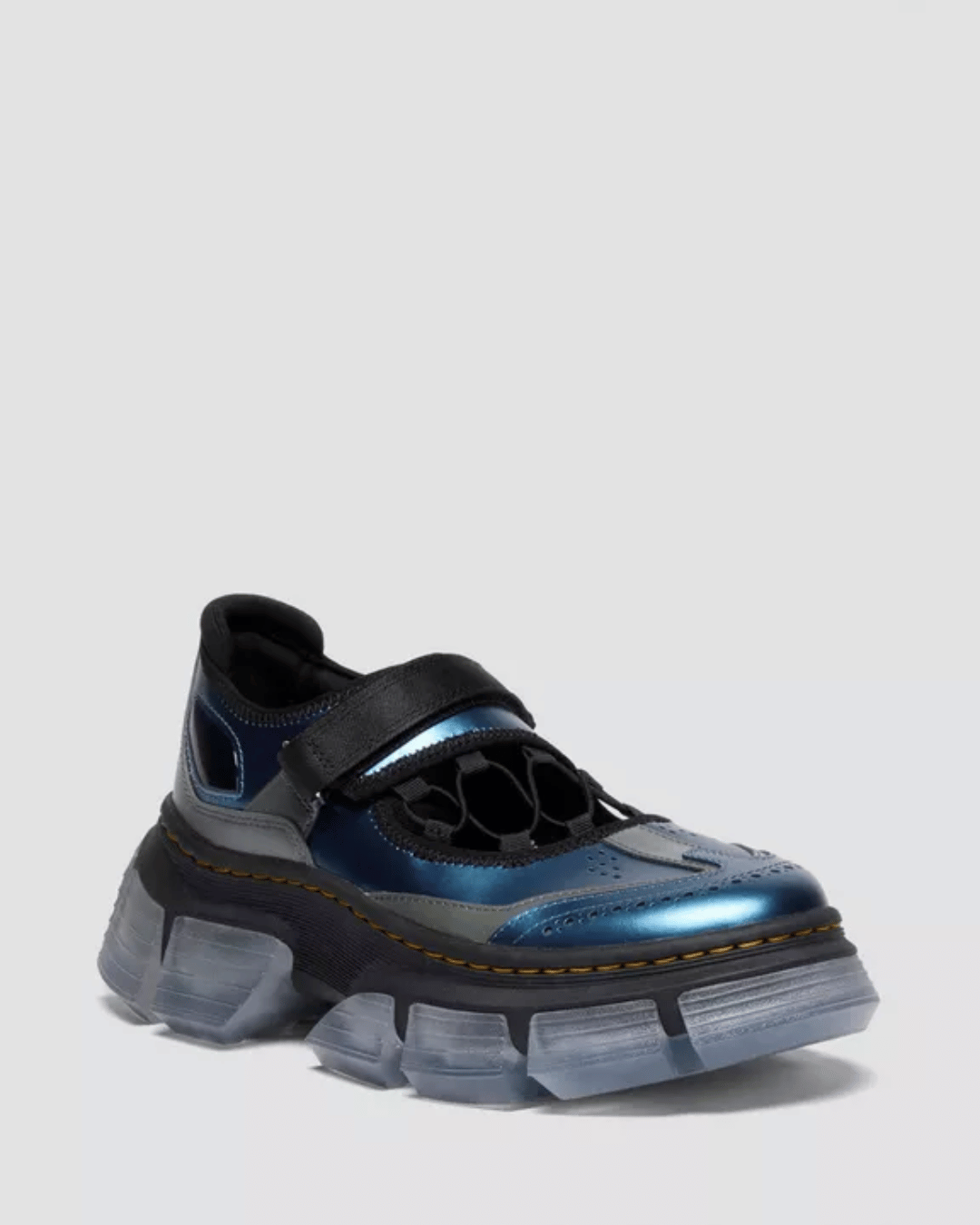
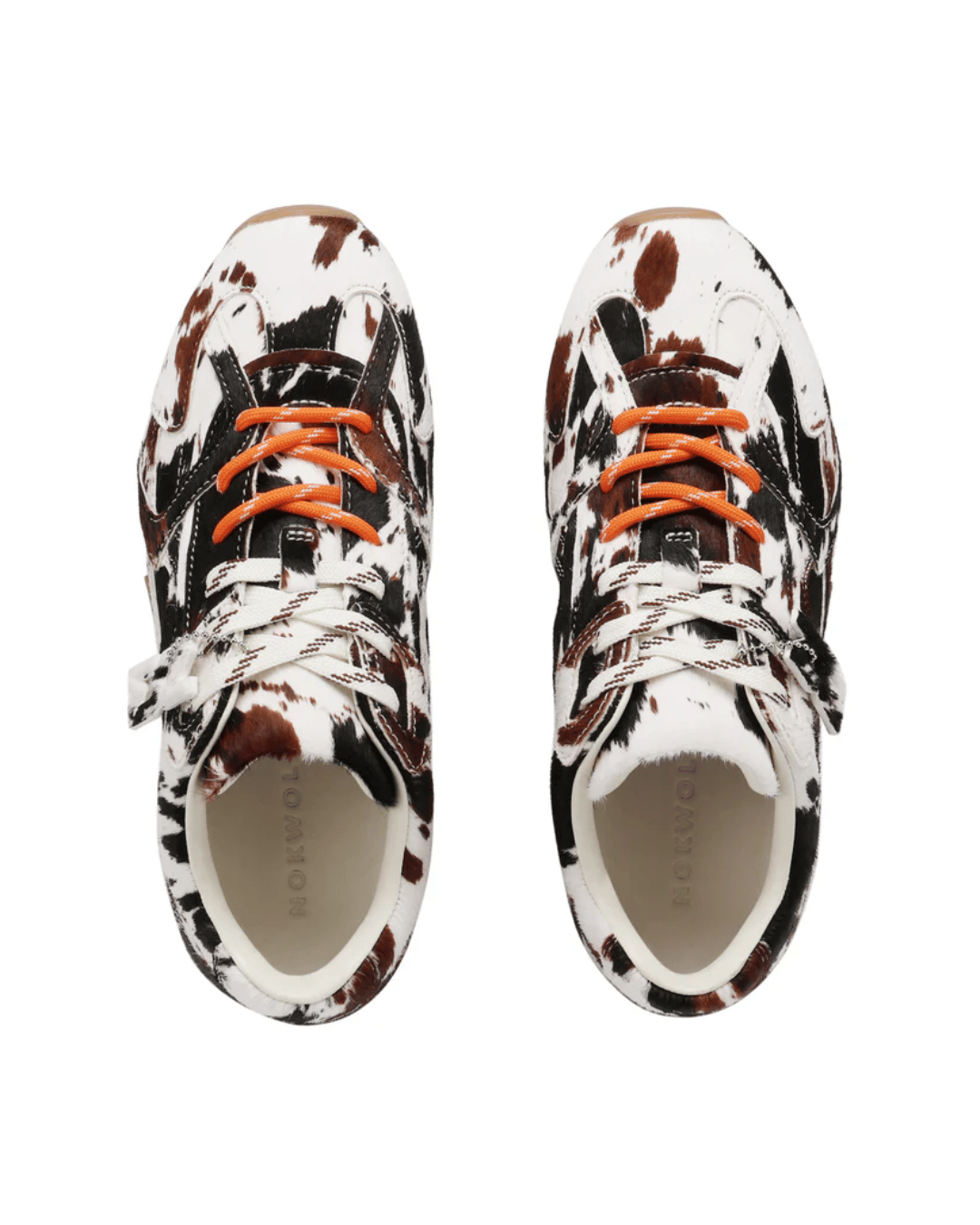
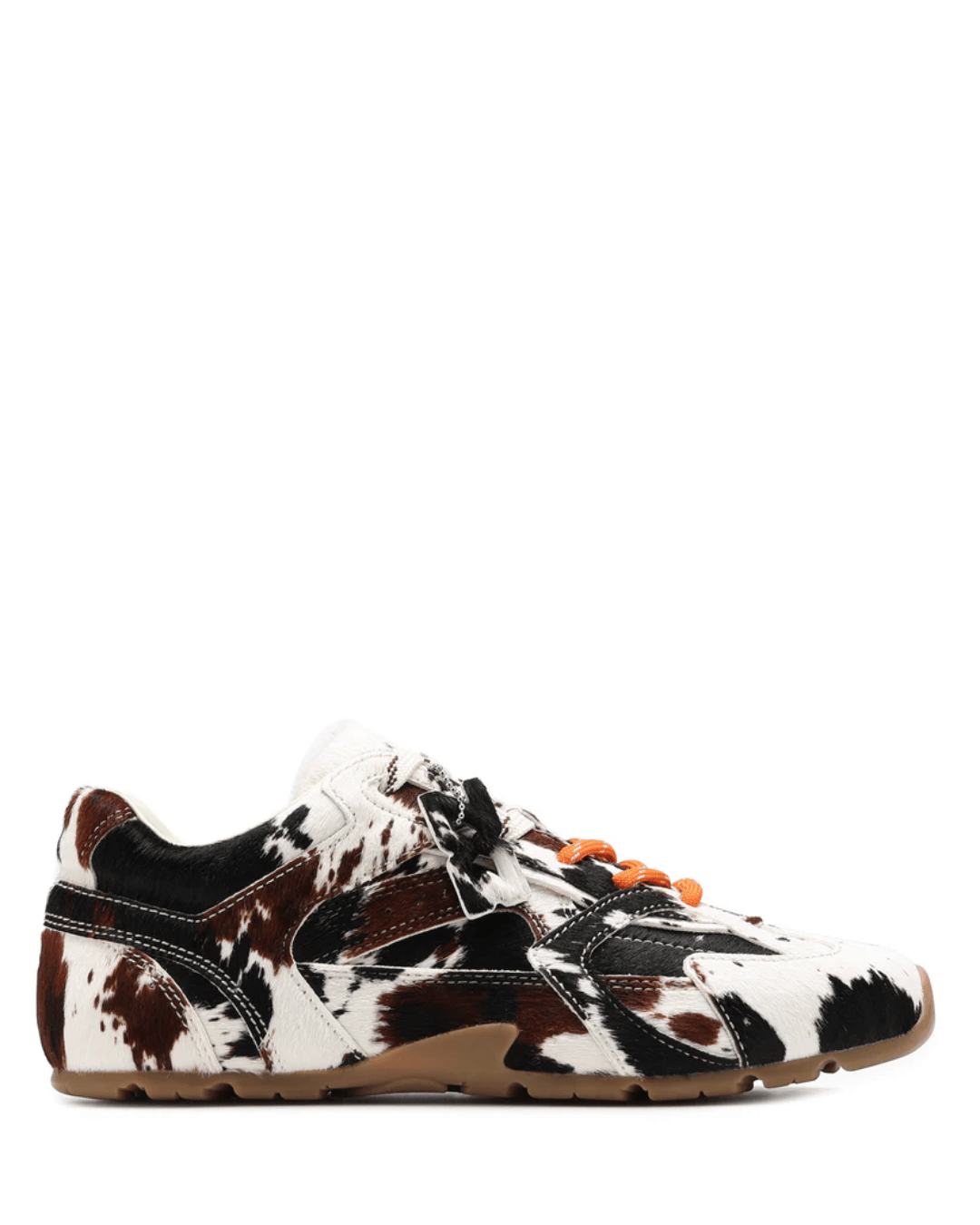
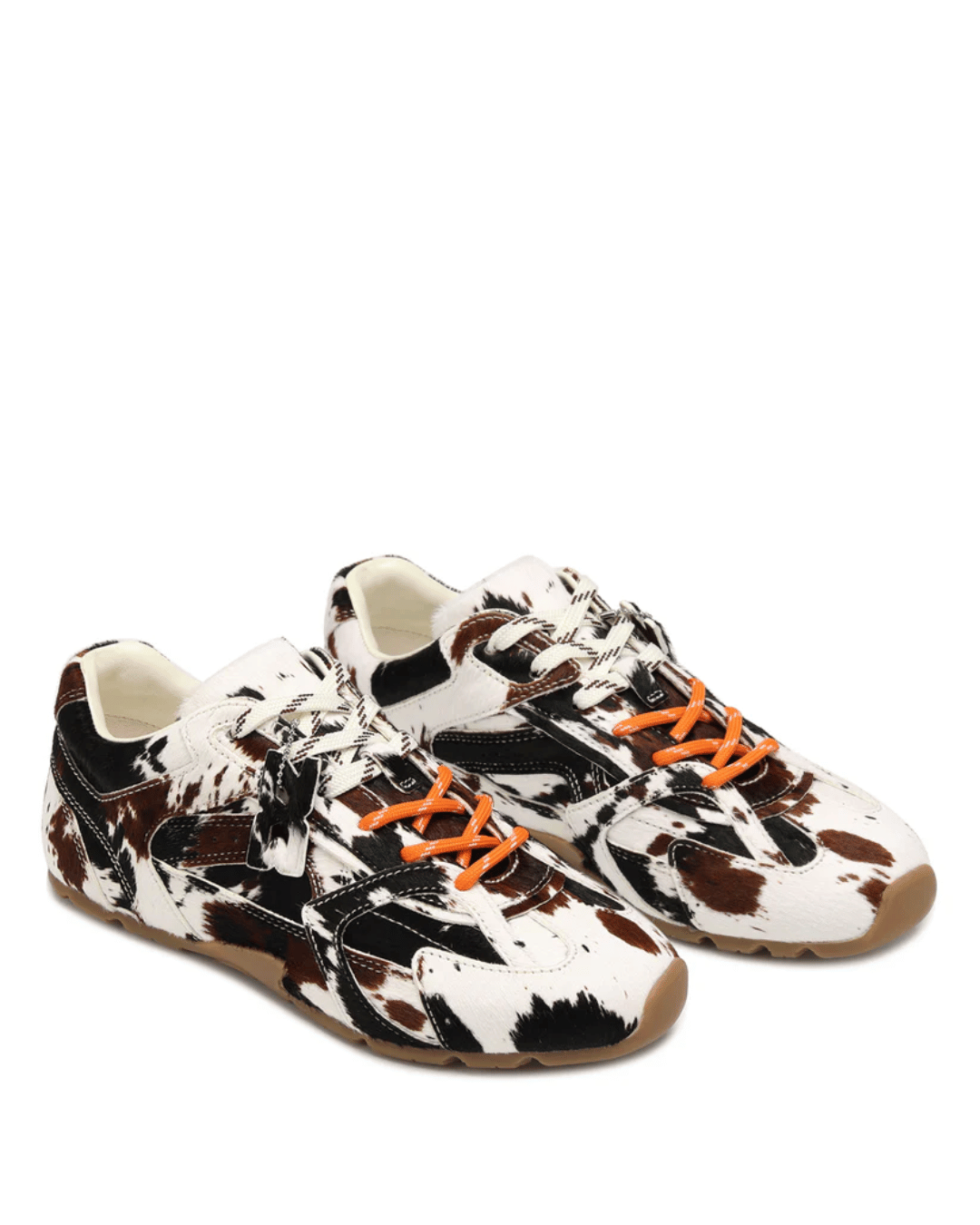
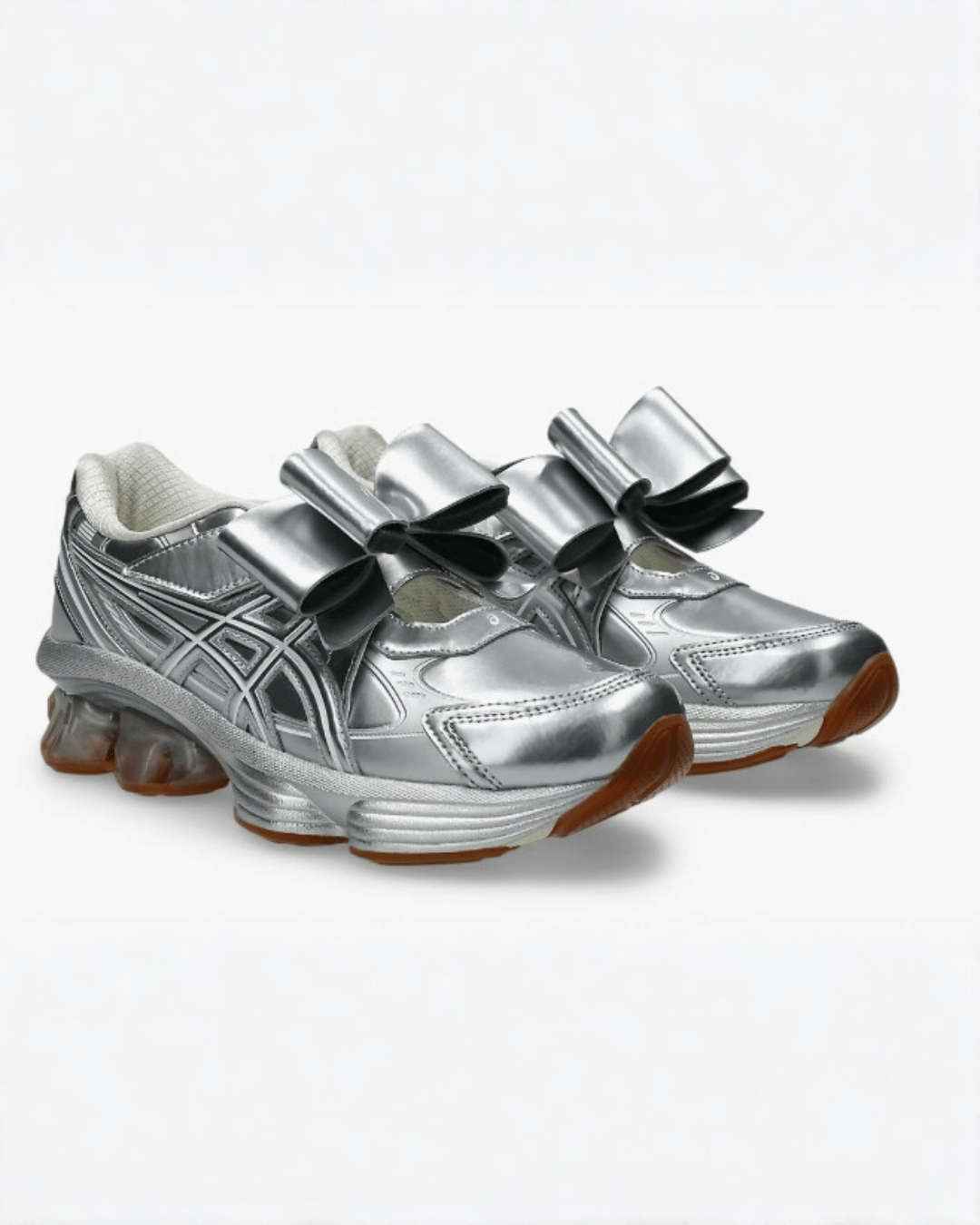
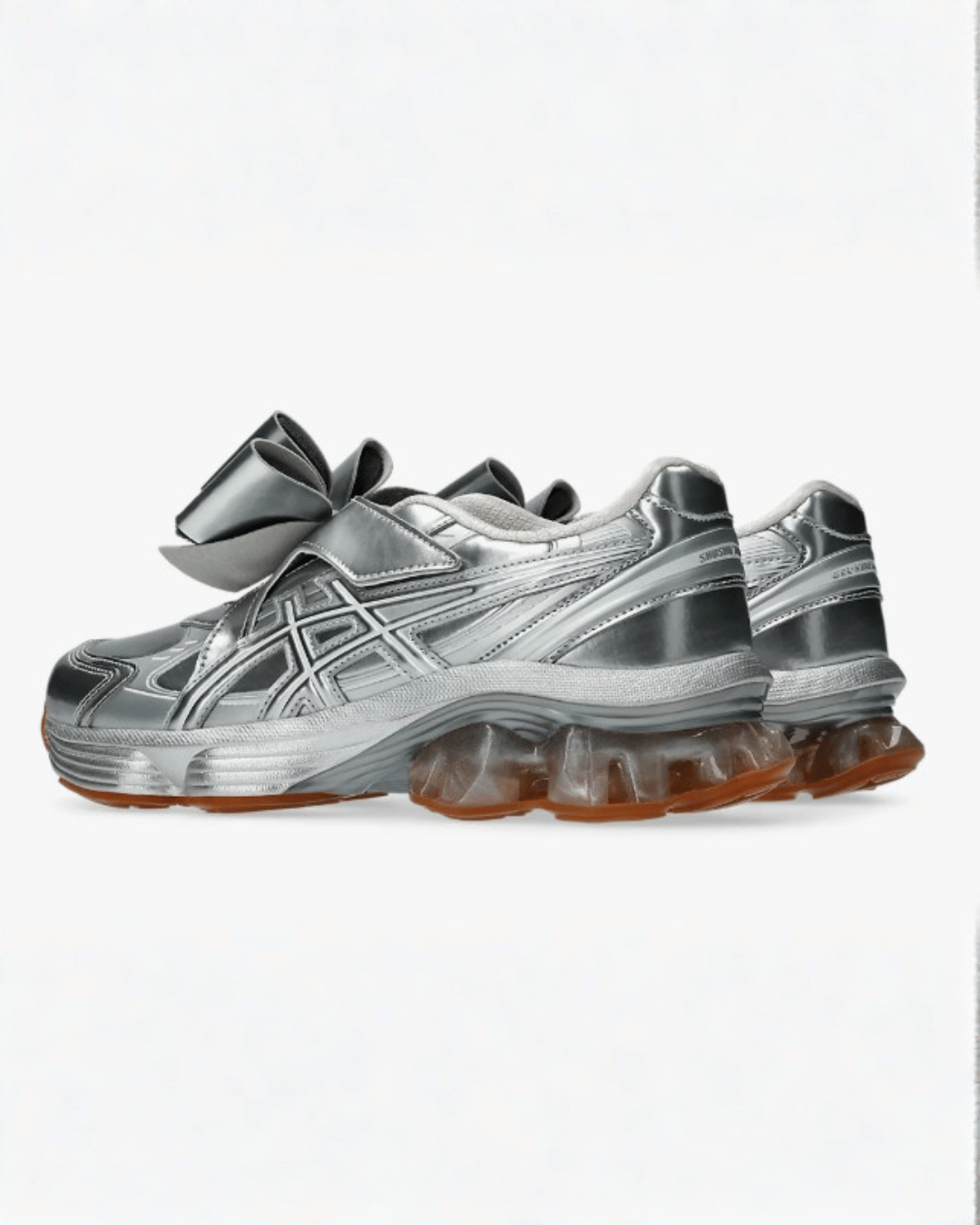
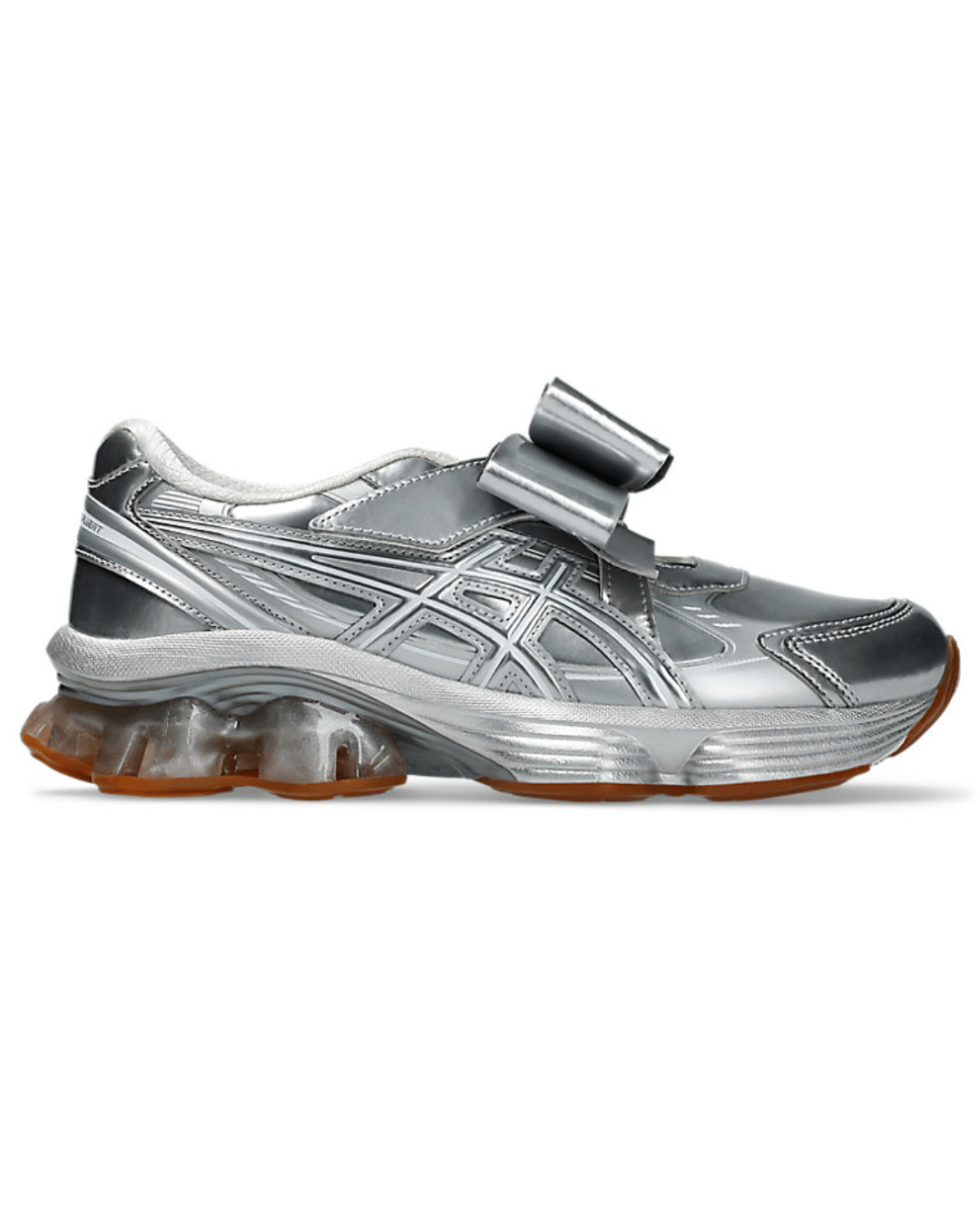
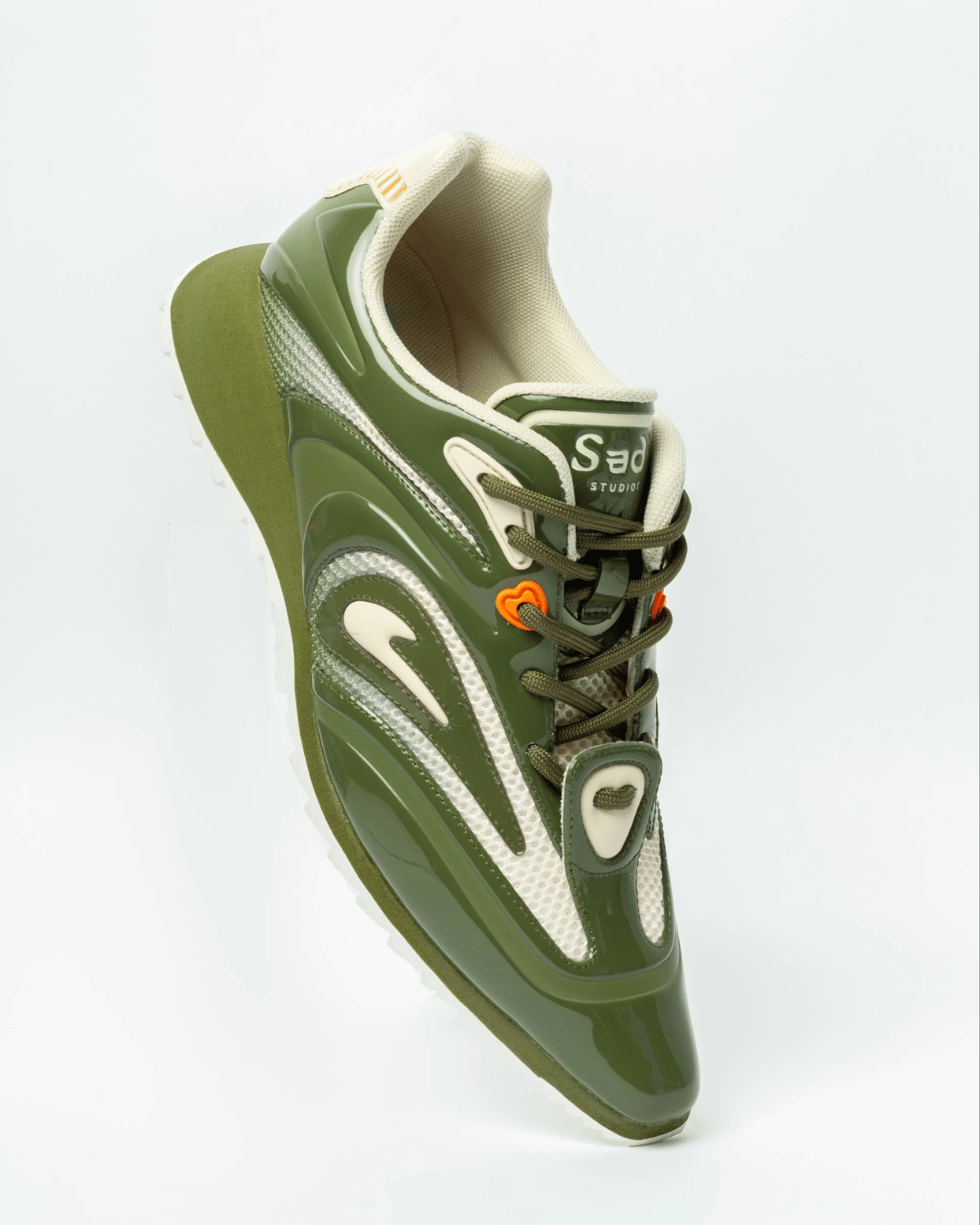
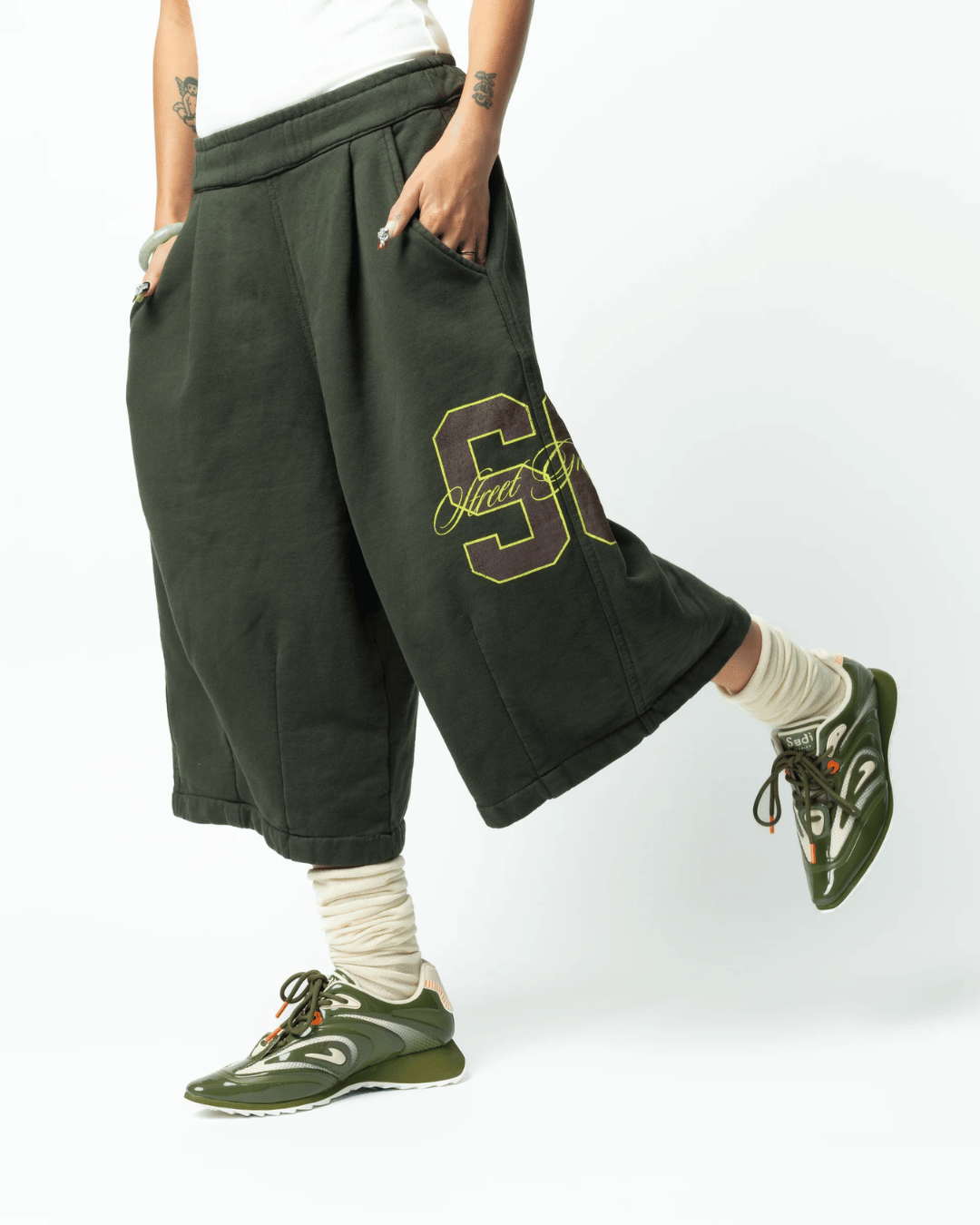
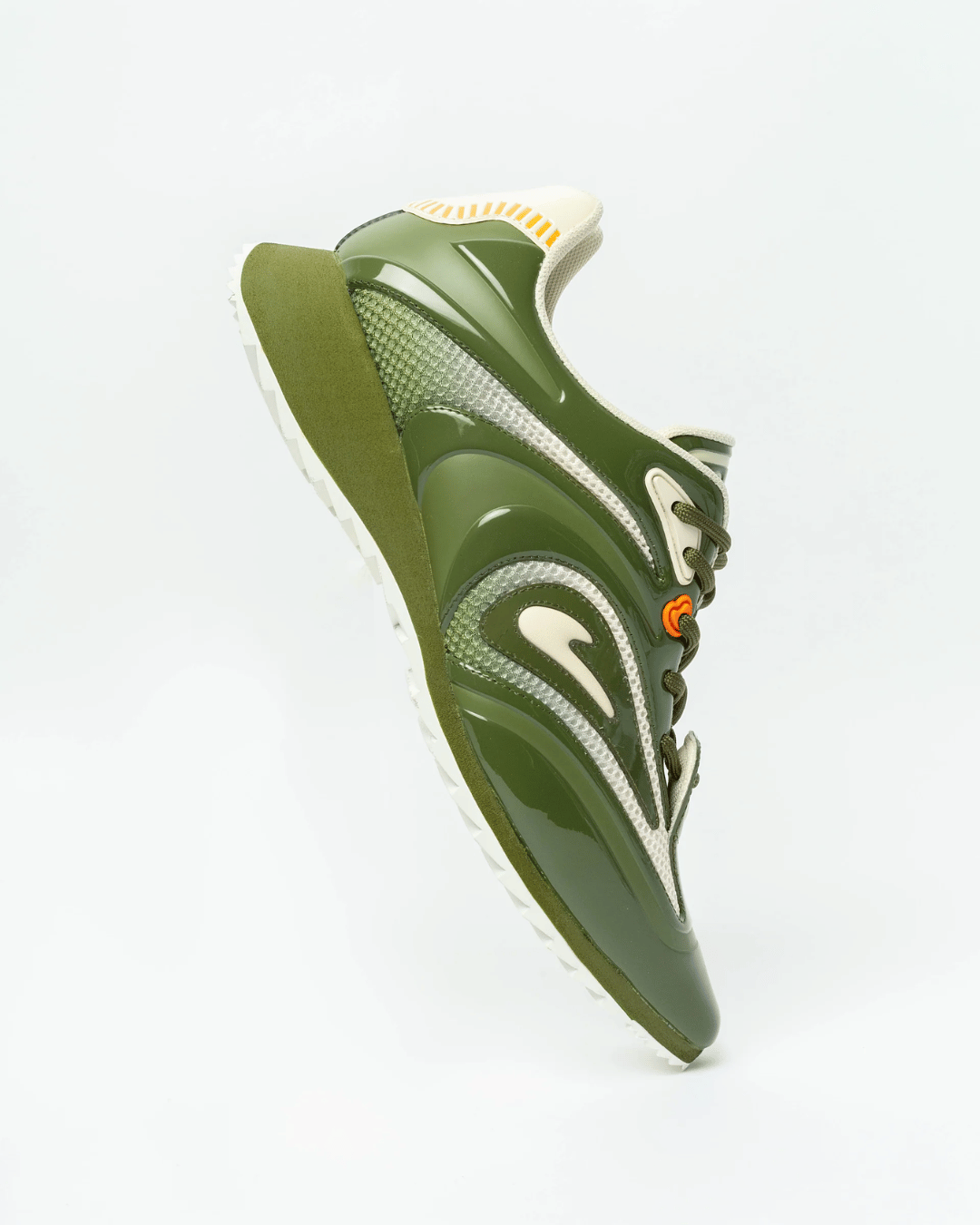
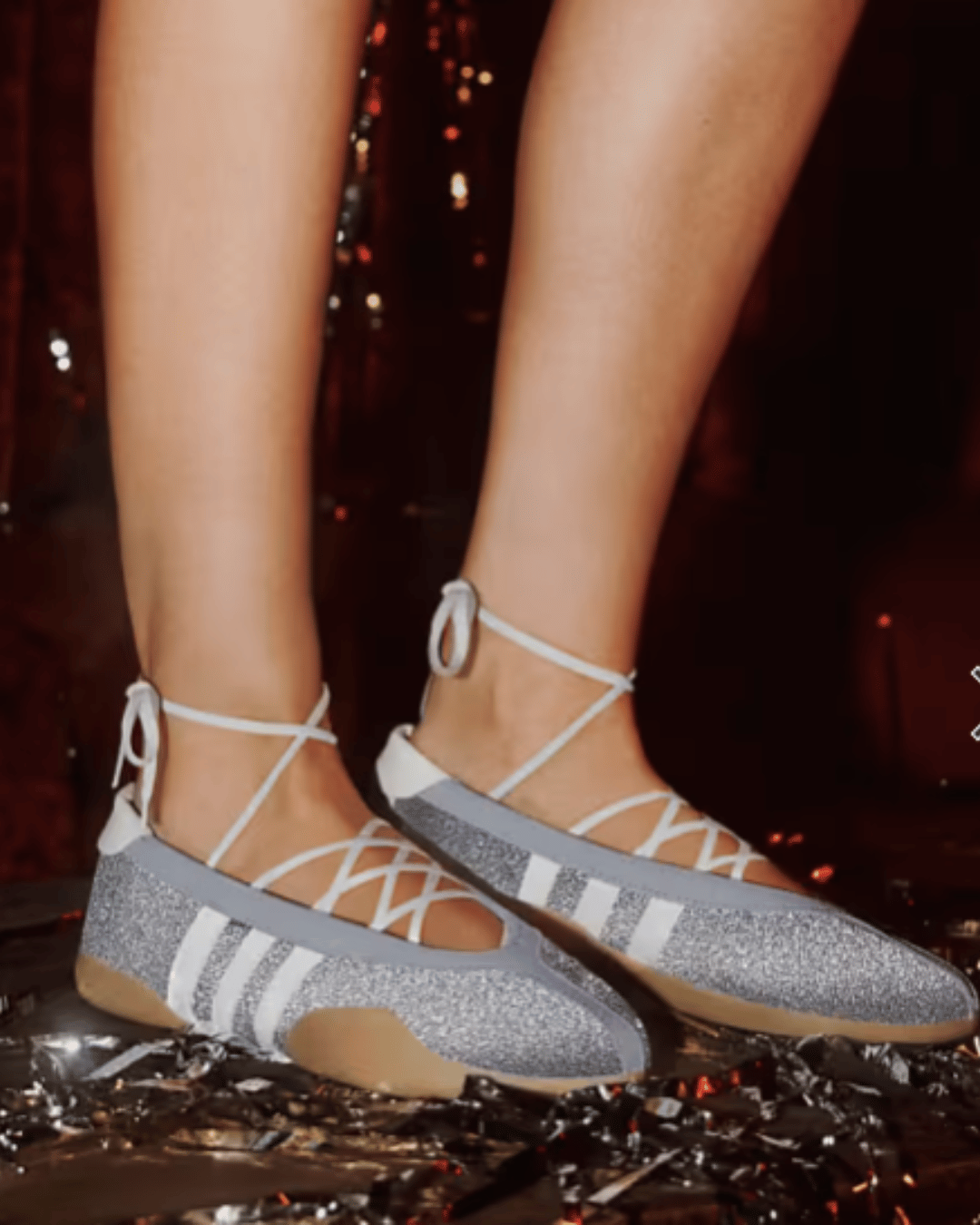
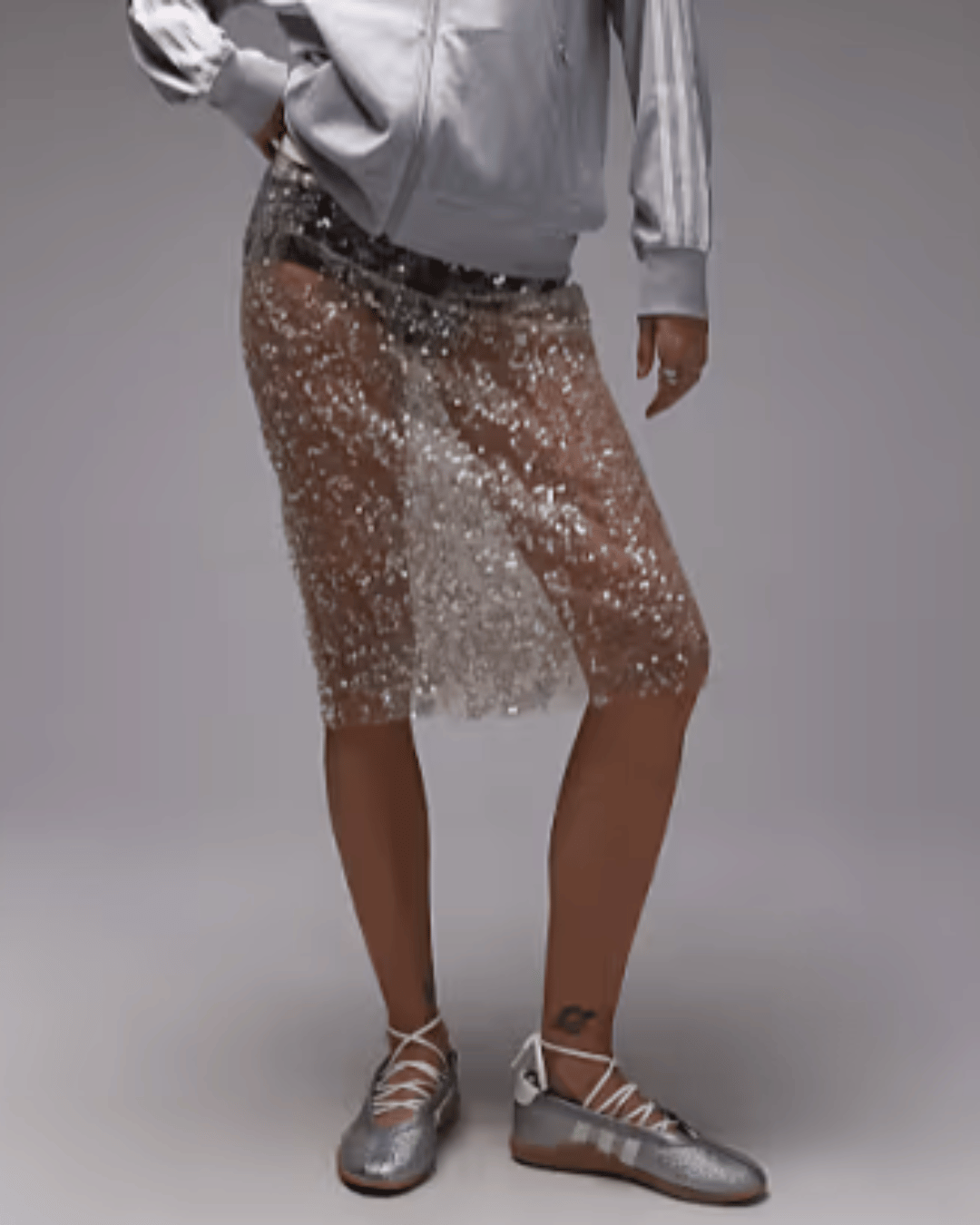
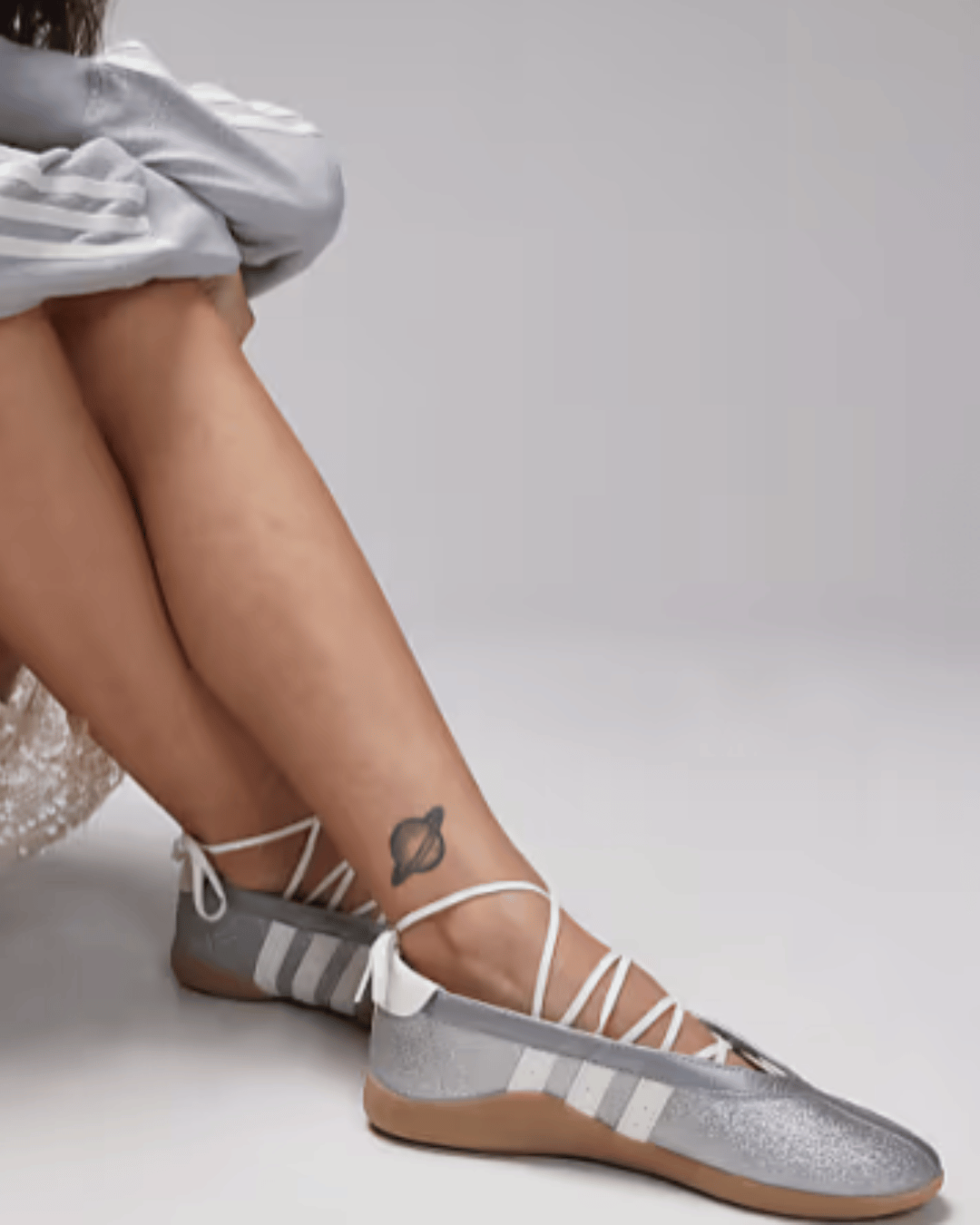
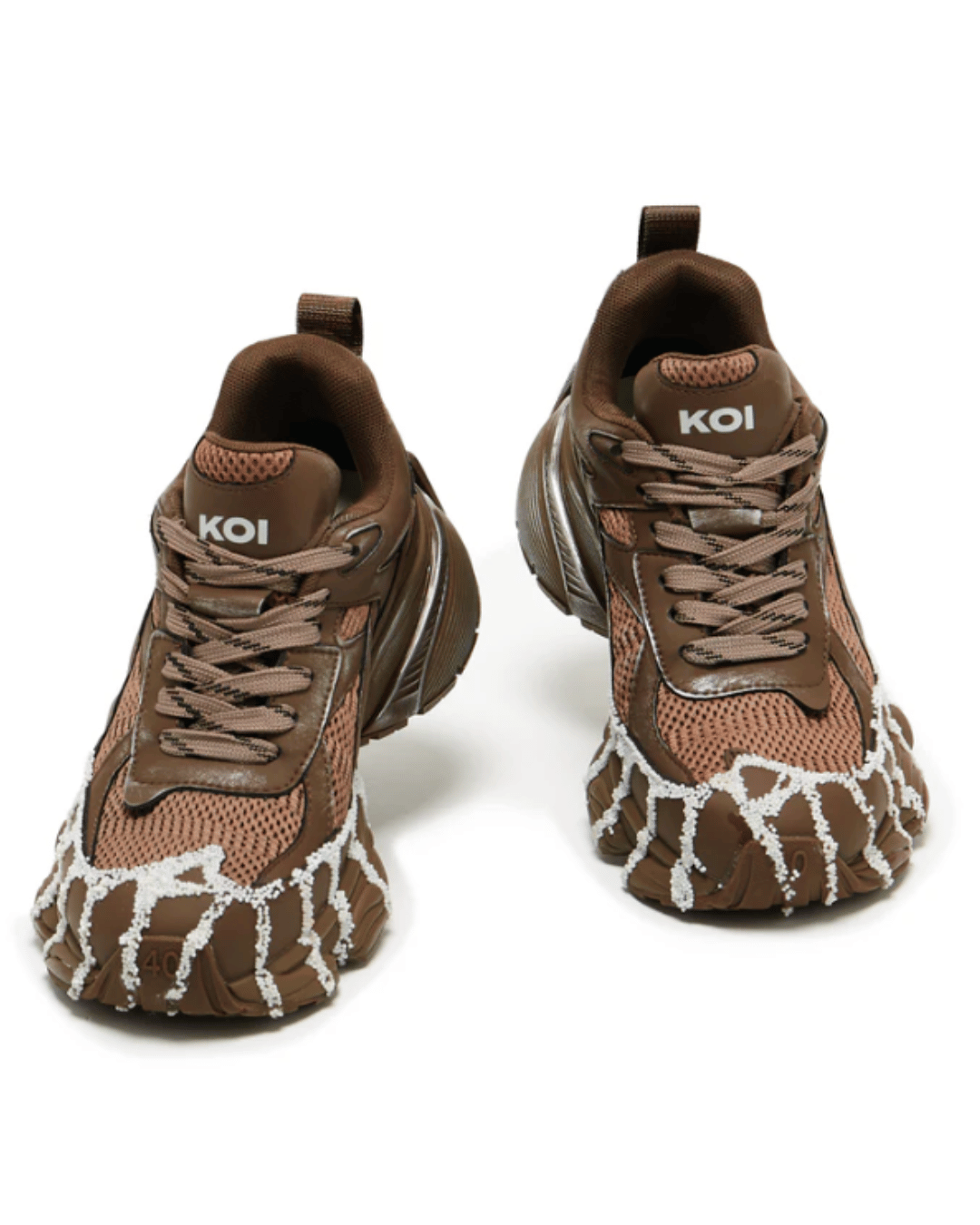
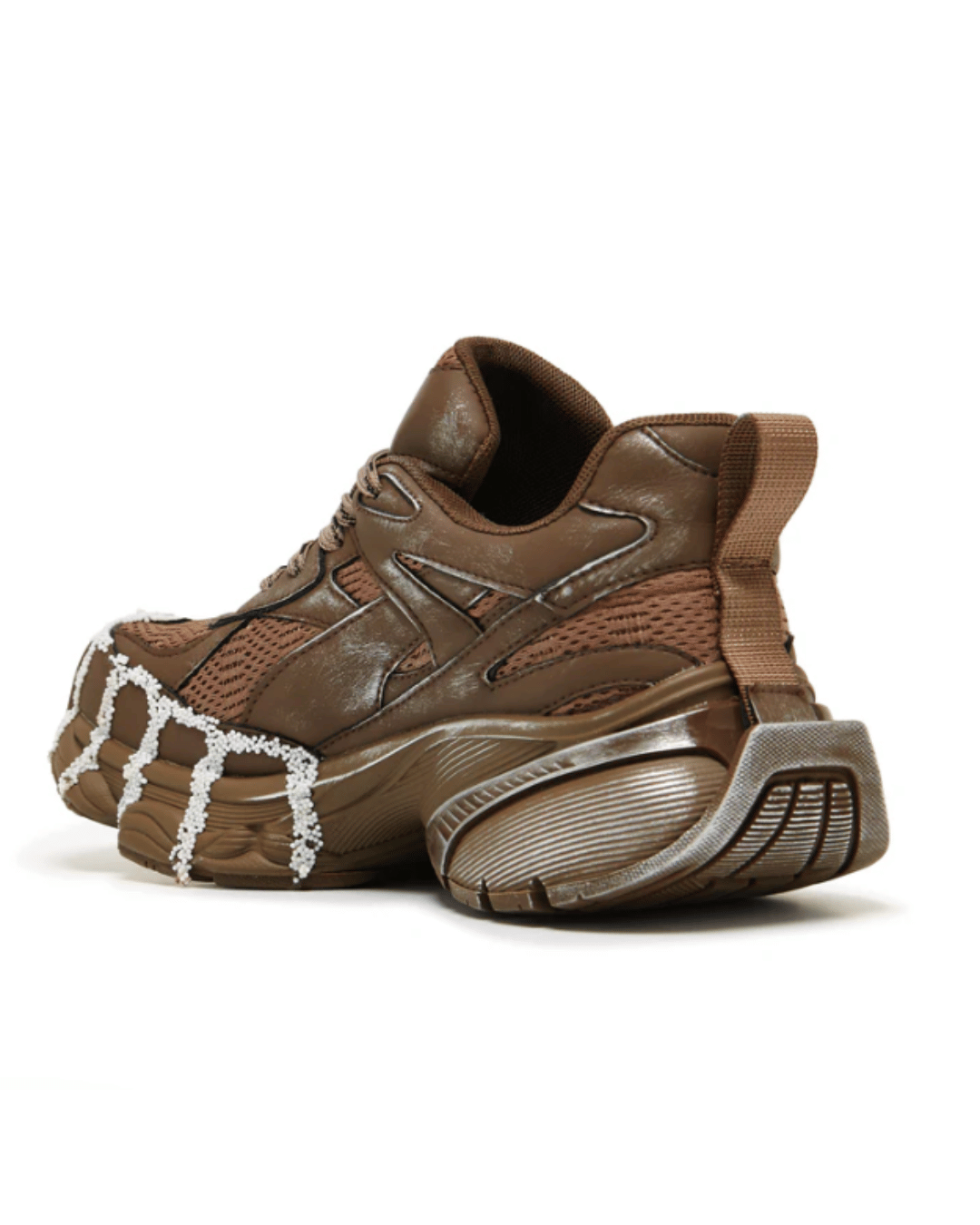
Now, these findings don’t mean that you should now shun your white kicks, and they certainly don’t mean that you should go on the hunt for the craziest, most unique pair of shoes ever. What they do suggest is that you need to introduce more variety into your shoe selection. The need for variety is further supported by research on uniqueness, which found that “high levels of similarity or dissimilarity are perceived as unpleasant and reduce individuals’ self-esteem”. Boosting your self-esteem and your perceived competency is as easy as changing your shoes. If you’re not sure where to start, we have some suggestions for you
Some links are affiliate, and FiP may receive a commission.