

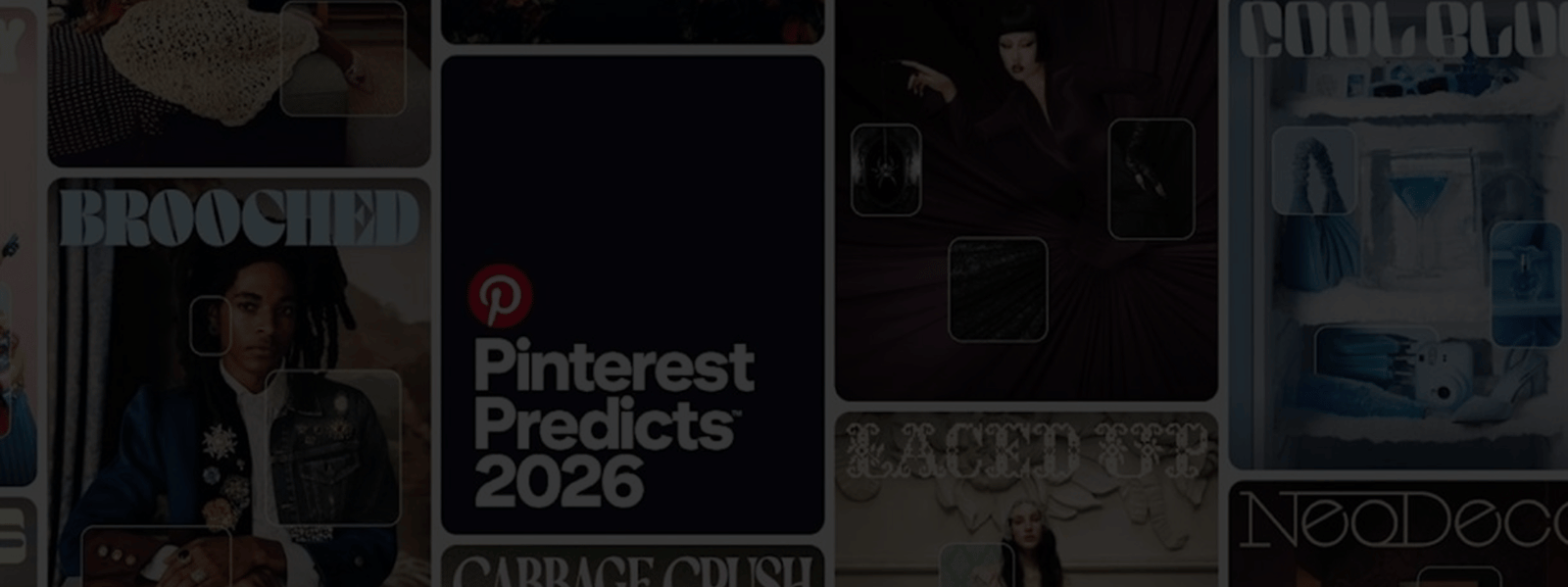
Trend reports have increasingly organised consumption not only around products, but around emotional states. Pinterest Predicts, in particular, structures its 2026 forecasts around three major forces: emotional expression, affective familiarity, and the search for balance between stimulation and softness. This framing is revealing because it shifts the debate away from “taste” toward something deeper: how consumers are attempting to emotionally regulate their experience in a world marked by instability, excessive demands, and psychic fatigue.
When emotions become the central axis of aesthetic interpretation, we are no longer speaking only about fashion or purchasing behaviour, but about processes of self-construction. Psychology has long pointed out that the self is not formed in isolation: it depends on external experiences of recognition, continuity, and emotional containment to remain cohesive. In contexts where these experiences fail, symbolic objects such as clothing, images, and aesthetics begin to function as psychic supports. From this perspective, the three emotional forces identified by Pinterest Predicts can be read not as abstract trends but as strategies of self-regulation.
Intense emotional expression: aesthetics as a request for recognition
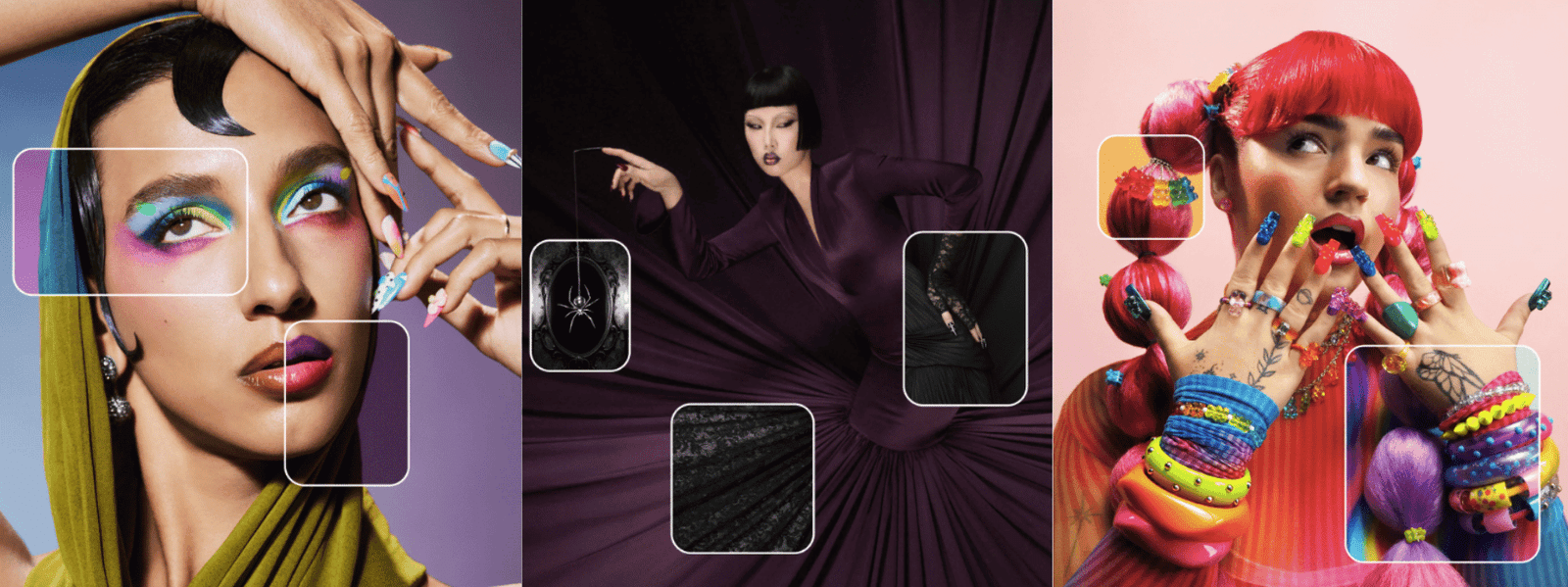
Among the emotional forces identified by Pinterest Predicts, intense emotional expression brings together aesthetics marked by excess, contrast, and theatricality. These are visual languages that move away from neutrality and place the body at the centre, as if dressing were a direct way of claiming presence.
Within this group, trends include:
- Glitchy Glam
Asymmetrical makeup, intentionally “wrong” combinations, and effects inspired by the digital universe. Error and noise cease to be mistakes and become language. - Gimme Gummy
Translucent textures, vibrant colours, and sensory references that evoke immediate pleasure, excess, and playfulness. - Vamp Romantic
A reinterpretation of gothic romanticism, with drama, dark sensuality, and overt theatricality. - Glamoratti
Glamorous maximalism, opulence, and exaggeration as aesthetic affirmation. - Cosmic or alien aesthetics
Metallic surfaces, iridescence, and references to the non-human as ways of displacing the body from normative frameworks.
What connects these aesthetics is the search for recognition. In Self Psychology, recognition — or mirroring — is a fundamental psychic need: it is through the gaze of the other that the subject sustains cohesion and a sense of symbolic existence. When this mirroring becomes unstable or conditional, the body attempts to produce it visually. Aesthetics cease to be ornament and become an explicit request for visibility.
Affective familiarity: dressing as a form of continuity
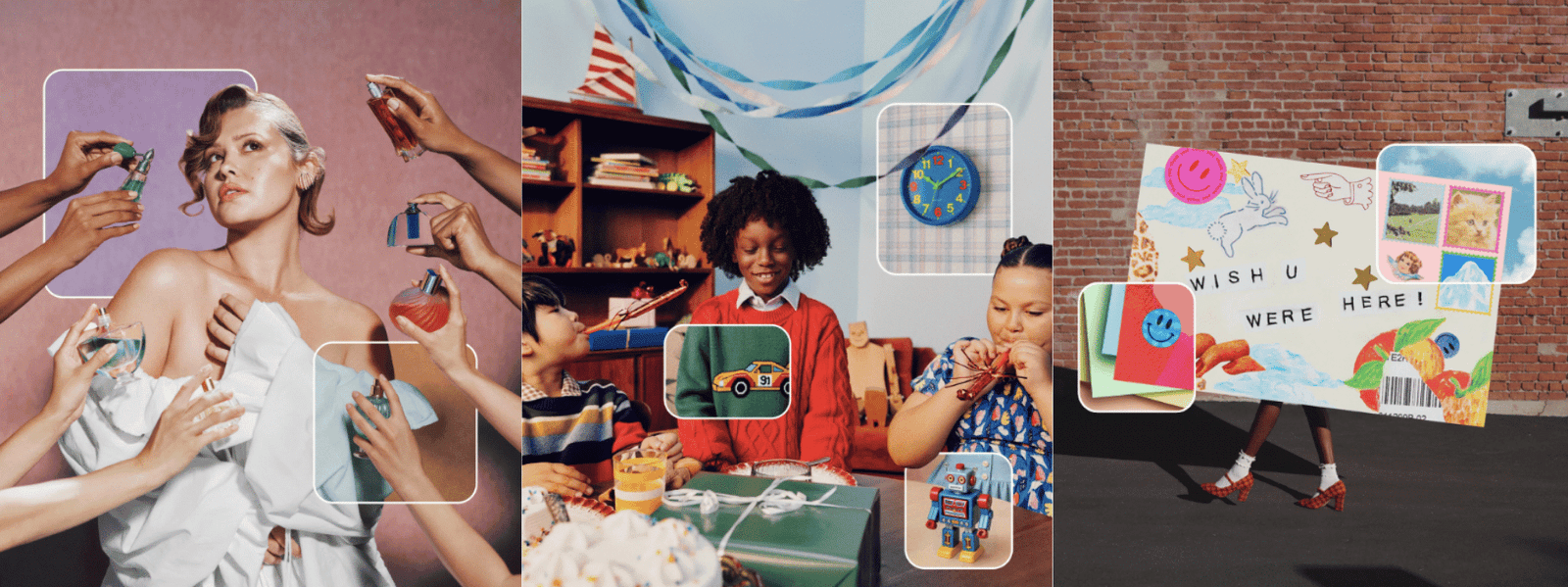
If the first emotional force is organised around visibility, the second responds to a different need: continuity and emotional safety. Pinterest Predicts identifies here aesthetics that evoke memory, ritual, and familiarity — not as idealised nostalgia, but as an attempt to create stability in a context of constant change.
Trends associated with this axis include:
- Throwback Kid
References to childhood and retro aesthetics, with pieces that appear loaded with history and immediate recognition. - Pen Pals
The return to analogue practices, such as letter writing and handwriting, is reflected in the use of natural materials and handcrafted finishes. - Scent Stacking
The layering of fragrances is a daily ritual and a personal sensory signature.
These aesthetics function as emotional anchors. In Self Psychology, continuity is as important as recognition: the subject needs to feel that they remain the same over time, despite transformation. Dressing here becomes less a public gesture of affirmation and more a quiet form of care — not to return to the past, but to sustain the present without fragmentation.
Stimulation and softness: aesthetics as emotional regulation
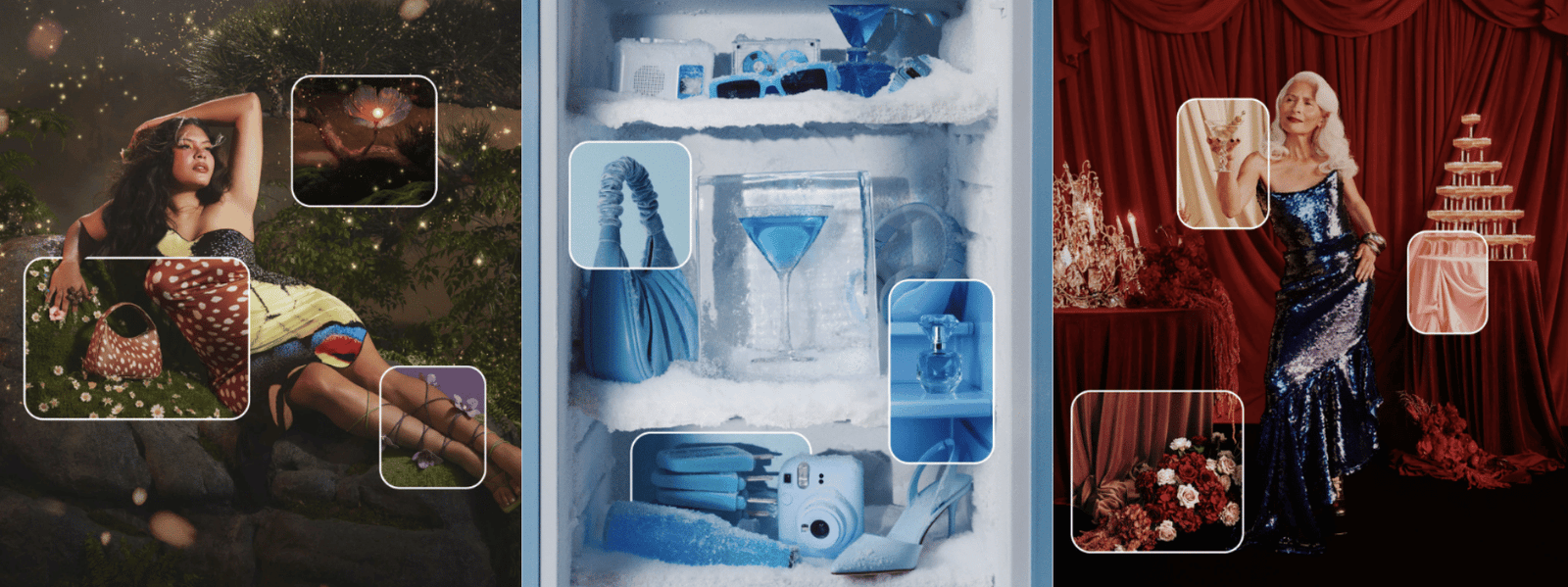
The third emotional force identified by Pinterest Predicts emerges as an attempt at negotiation. Rather than choosing between intensity or withdrawal, these aesthetics seek to balance stimulation and containment, reflecting a collective state of emotional fatigue.
Within this axis, trends include:
- Cool Blue / Glacier aesthetic
Cool tones, transparency, and references to water and ice that create visual calm even within contemporary proposals. - Wilderkind
A delicate, filtered vision of nature, with organic elements presented in a poetic and safe manner. - Opera Aesthetic
Classical operatic drama softened, balancing impact and elegance.
These visual languages point to a clear effort at emotional regulation. In contexts of overload, the self must balance excitation and containment in order to avoid collapse. Fashion, in this scenario, operates as a mediator: it is still possible to experiment, feel, and desire — as long as there is enough softness to avoid constant performance. This is neither full calm nor euphoria, but a continuous adjustment between intensity and emotional survival.
What the 2026 wardrobe says about us
Taken together, these aesthetics suggest that the 2026 wardrobe will not merely be a space for trends, but for emotional negotiation. Between the desire to be seen, the need to feel safe, and the effort not to exceed one’s own limits, aesthetic choices reflect very concrete attempts to sustain the self in a world that demands constant adaptation.
As a style consultant, my reading begins with an exercise in translation: transforming emotional needs into possible visual elements. What enters the wardrobe says less about fashion and more about how we are trying to exist.
What do you need to emotionally sustain when you choose what to wear?