

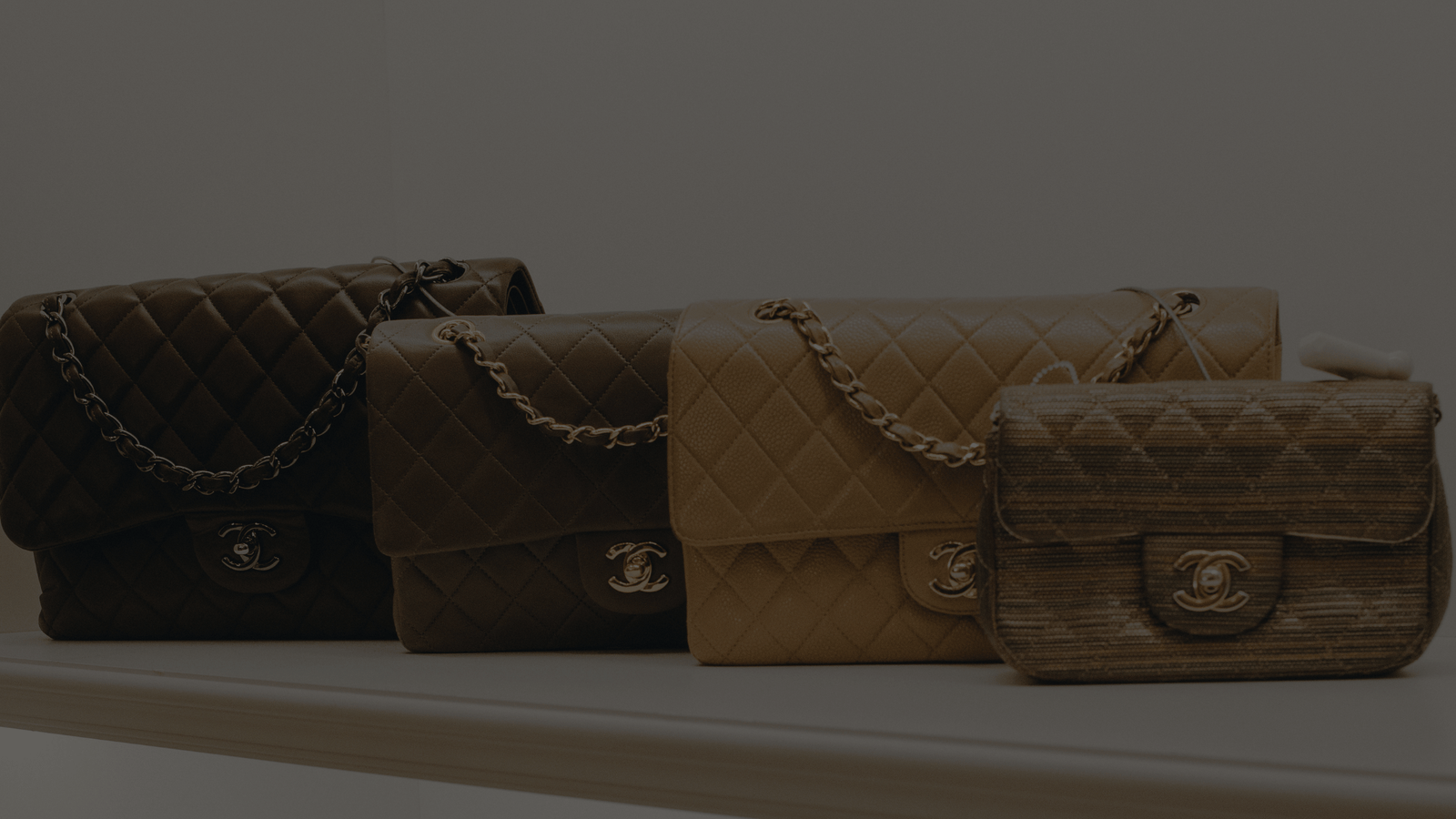
Luxury is often discussed in terms of price, prestige and investment, but what keeps us attached to the things we own goes far deeper than economics. The clothes, handbags and jewellery we collect become woven into our identities, marking milestones, preserving memories and shaping how we see ourselves. As resale continues to redefine the fashion industry, our relationship with ownership is evolving too, raising fascinating questions about value, authenticity and what it really means to own something.
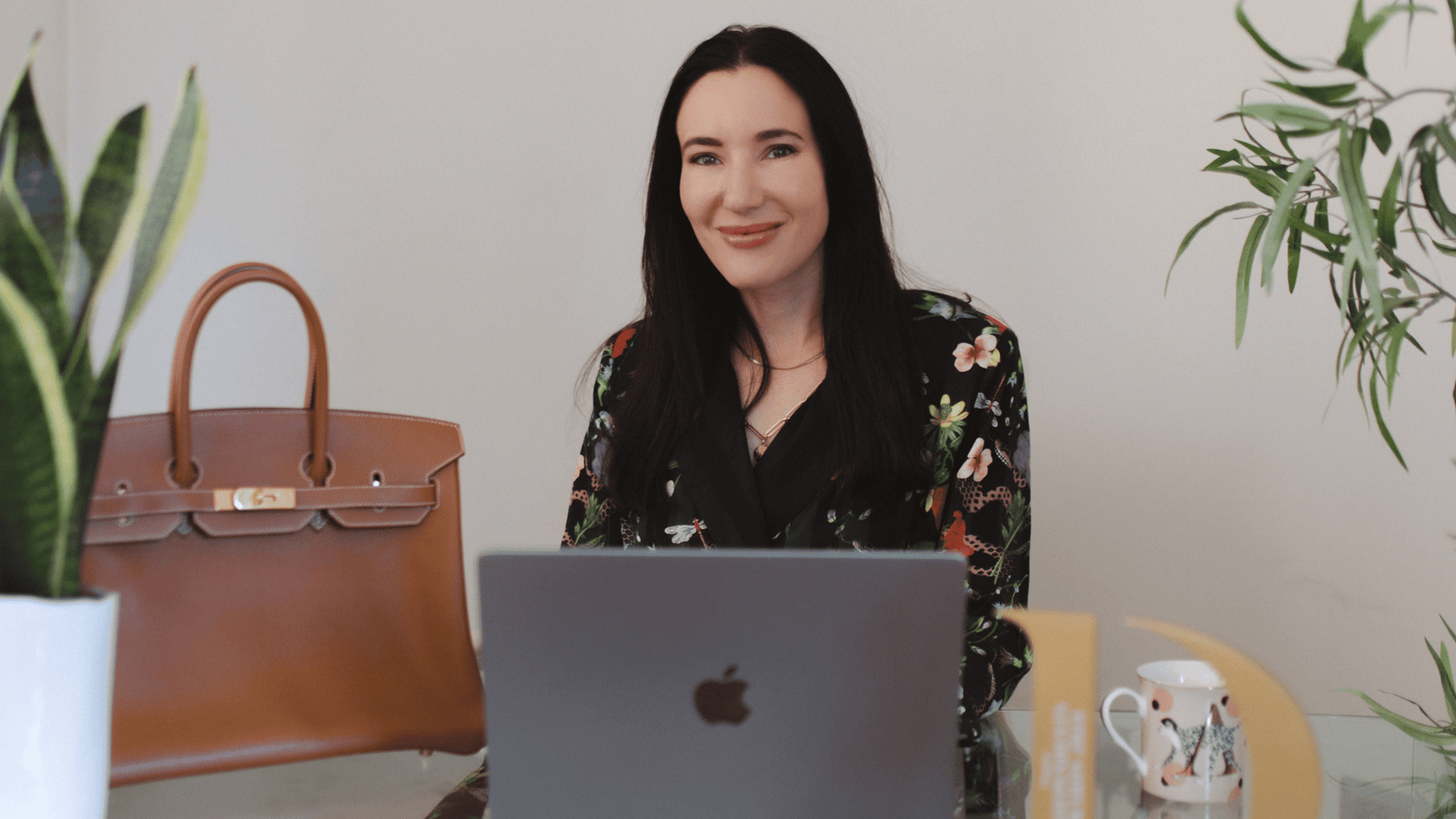
To explore these ideas, I sat down with Antonia Johnstone, CEO and Founder of Sign of the Times, one of the UK’s leading luxury resale destinations. Drawing on decades of experience in luxury retail and the second-hand market, Antonia shares her perspective on why we become emotionally attached to our possessions, how resale is reshaping consumer behaviour, why provenance matters, and what the future of luxury ownership might look like.
Shakaila: Has resale changed consumer psychology, or are we just justifying spend?
Antonia: Resale has fundamentally altered our relationship with ownership. Knowing a piece retains value replaces impulsive spending with strategic appraisal, like the three-year exit test. Crucially, resale fuels self-expression. Curation from past eras signals rare taste, individuality, and environmental awareness. Wearing resale is a modern badge of honour, communicating that you understand personal style rather than just following retail trends.
Shakaila: What transforms a handbag from an object into an identity marker? What gives someone permission to let it go?
Antonia: A piece becomes part of you when it anchors a pivotal moment, like a career shift, wedding, or milestone. Objects absorb emotional charge, acting as physical reminders of who you were when you wore them or how you felt. Letting go is rarely about financial loss, it is a psychological transition. Permission arrives when a piece has served its emotional purpose, whether that means passing it on as a legacy or shedding the negative energy of a past chapter.
Shakaila: Do emotional purchases beat financial logic? Have you seen “investors” regret buying?
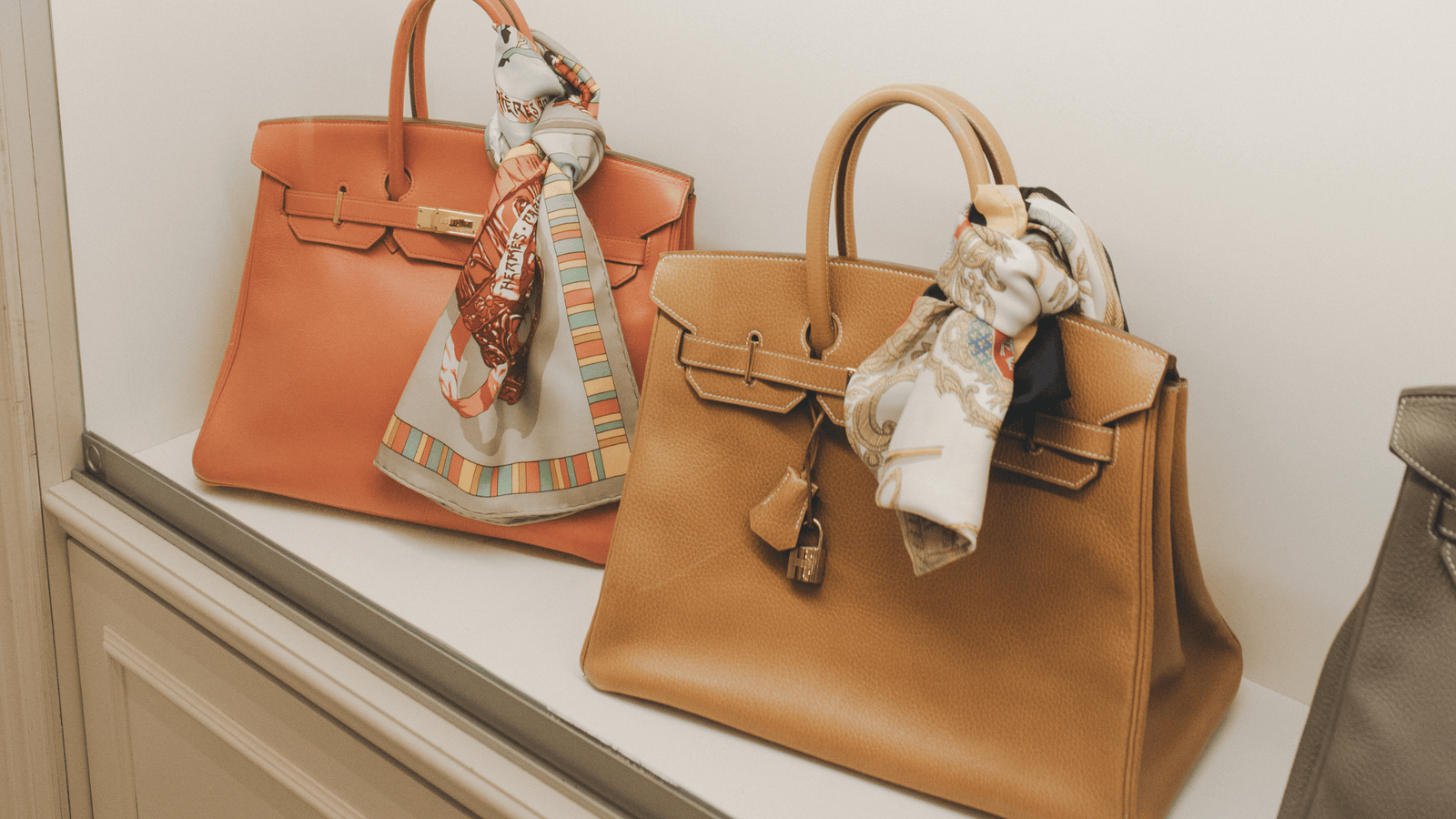
Antonia: Purely financial buys lead to emotional detachment. Treating a piece like a stock option, keeping a Birkin boxed to protect its yield, strips away the psychological pleasure of utility. Having said that, if you are buying purely for investment, the feeling is one of satisfaction that comes from “beating the system”, and selling something for more than it was bought for creates a different type of emotion than buying out of genuine love. The best of both worlds: buying for emotional connection and discovering the piece held its value as a side effect.
"A piece becomes part of you when it anchors a pivotal moment. Letting go is rarely about financial loss; it's a psychological transition."
Shakaila: Why do we anthropomorphise accessories (“boss energy”, “confident”)?
Antonia: We project human traits onto objects because we use them to alter our own psychological state. Putting on a specific piece acts as physical armour, changing posture, voice, and presence. While I spend a lot of time coaching my retail teams never to judge a book by its cover, we have to admit that human instinct reads non-verbal signals instantly. What you wear and how you present yourself projects something to the other person before you even speak.
Shakaila: What does the counterfeit study tell us about authenticity, and are dupes changing luxury?
Antonia: Authenticity works on internal self-perception, not external appearances. Carrying a counterfeit creates subconscious cognitive friction, making you feel like an impostor rather than empowering you. There is no quiet pride in a fake. Dupes democratise an aesthetic, but they strip away the personal integrity that genuine items deliver.
Shakaila: Does a previous owner’s story add psychological value?
Antonia: It elevates an item from a commodity to an artifact. Knowing a piece was curated by a woman of exceptional taste provides sartorial validation, giving the new owner instant confidence. When that provenance includes a famous name, the psychological appeal also translates directly into tangible market value. As can often be seen when famous people sell of their archives. One is buying into a narrative, not just buying a product.
Shakaila: What do iconic pieces like the Birkin signal today versus ten years ago?
Antonia: A decade ago, an iconic bag simply signalled capital. Today, it signals market intelligence and taste. The way it is carried reveals the owner’s inner security. A pristine bag communicates a desire to protect an asset. A heavily worn bag, used for the weekly shop, signals that luxury is your effortless baseline. It honours Jane Birkin’s original spirit: you own the object, it does not own you.
Shakaila: Are we moving from ownership toward stewardship?
Antonia: We are shifting from static possession to active custodianship. Driven by Gen Z and backed by rental platforms, younger buyers view luxury through a fluid lens, balancing economic reality with environmental responsibility. Extending a product’s life by two years drops its footprint by nearly three quarters. Digital Product Passports will soon formalise this, tracking a piece’s heritage as it moves seamlessly between custodians.
Shakaila: Which categories hold the richest emotional weight?
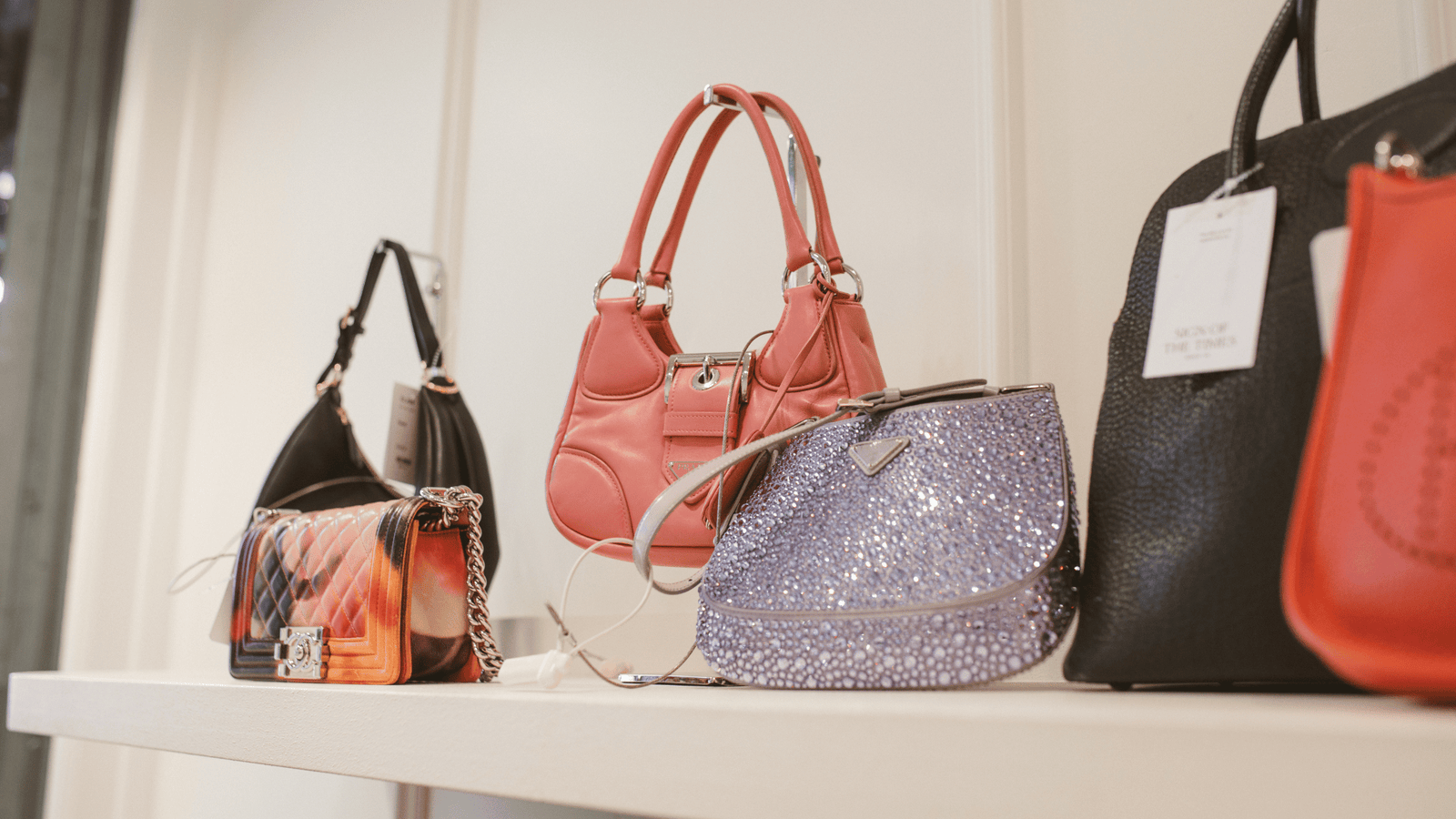
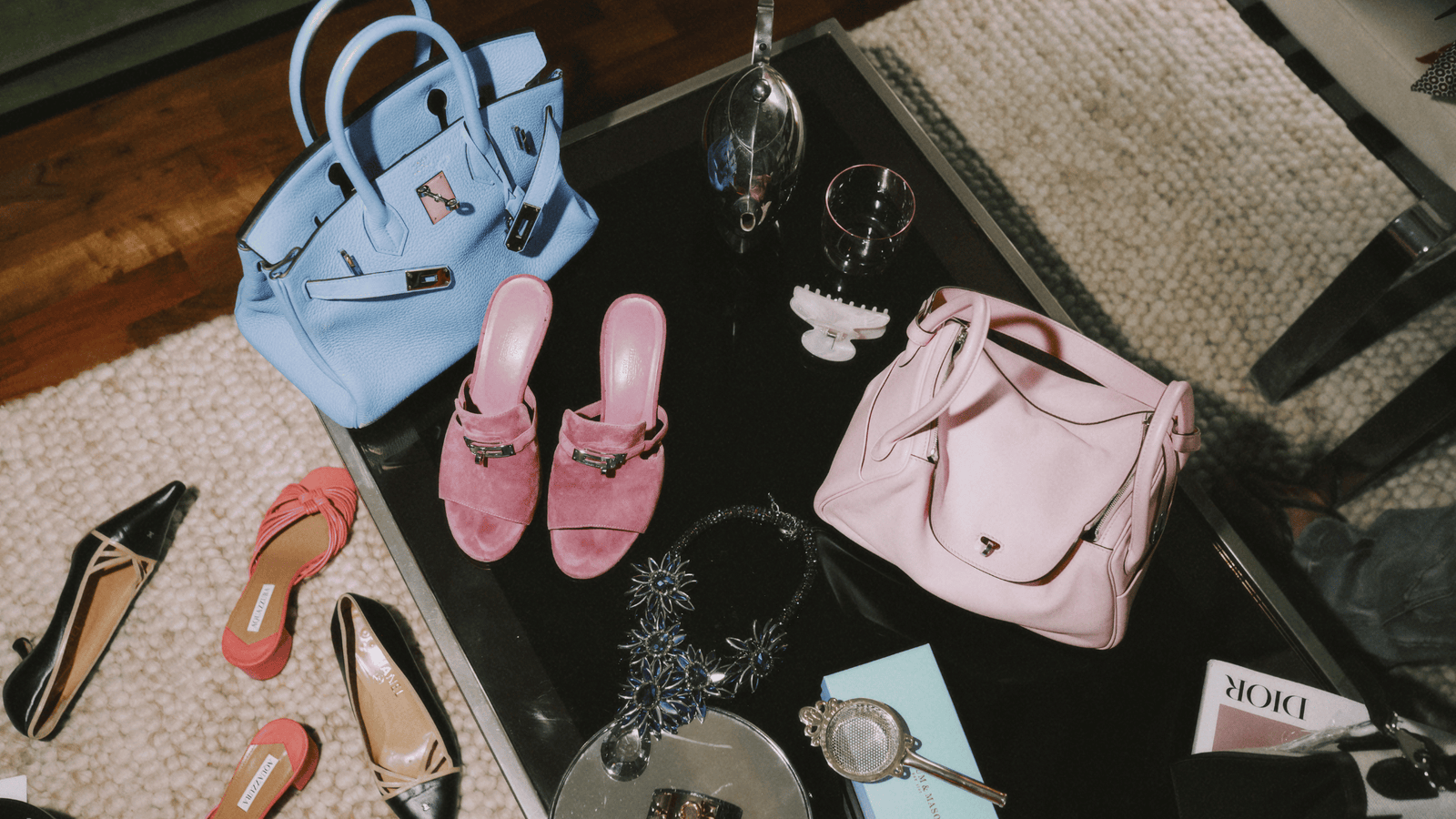
Antonia: Handbags carry personal pride and daily utility, often self-purchased to mark independent triumphs like promotions. Iconic pieces from brands like Chanel or Hermès also function as family archives, passed down through generations. Jewellery differs by representing shared emotional milestones, usually gifted to mark romantic or familial bonds. Ready-to-wear captures the most acute cultural moments, recording exactly how we presented ourselves to the world during a specific era.
Shakaila: If every piece could speak, what would surprise us most?
Antonia: It would tell you to wear it, enjoy it, and pass it on when it no longer serves you. I am just an item – you don’t need me to make yourself feel better about who you are as a human. You shine just as bright without me; I am just a pretty cherry on top of a beautiful cake.
Increasingly, it’s about the stories our possessions carry, the identities they help us construct and, ultimately, knowing when it’s time for them to begin a new chapter with someone else. Whether we’re buying, wearing or reselling, the psychology behind our decisions reveals that the most valuable pieces are often those that become part of our personal narrative.
A huge thank you to Antonia for sharing her insights and offering such a thoughtful perspective on the changing psychology of luxury ownership.
If you’re considering buying or selling pre-loved luxury, or simply want to explore beautifully curated pieces with their own unique histories, visit Sign of the Times. Their carefully authenticated collection proves that some of fashion’s most meaningful purchases aren’t always brand new.